Author: amy liu

  • Three-Cup Chicken

    Three-Cup Chicken

    Ingredients

    Taiwanese-Style Braised Chicken with Basil, Garlic, and Sesame Oil

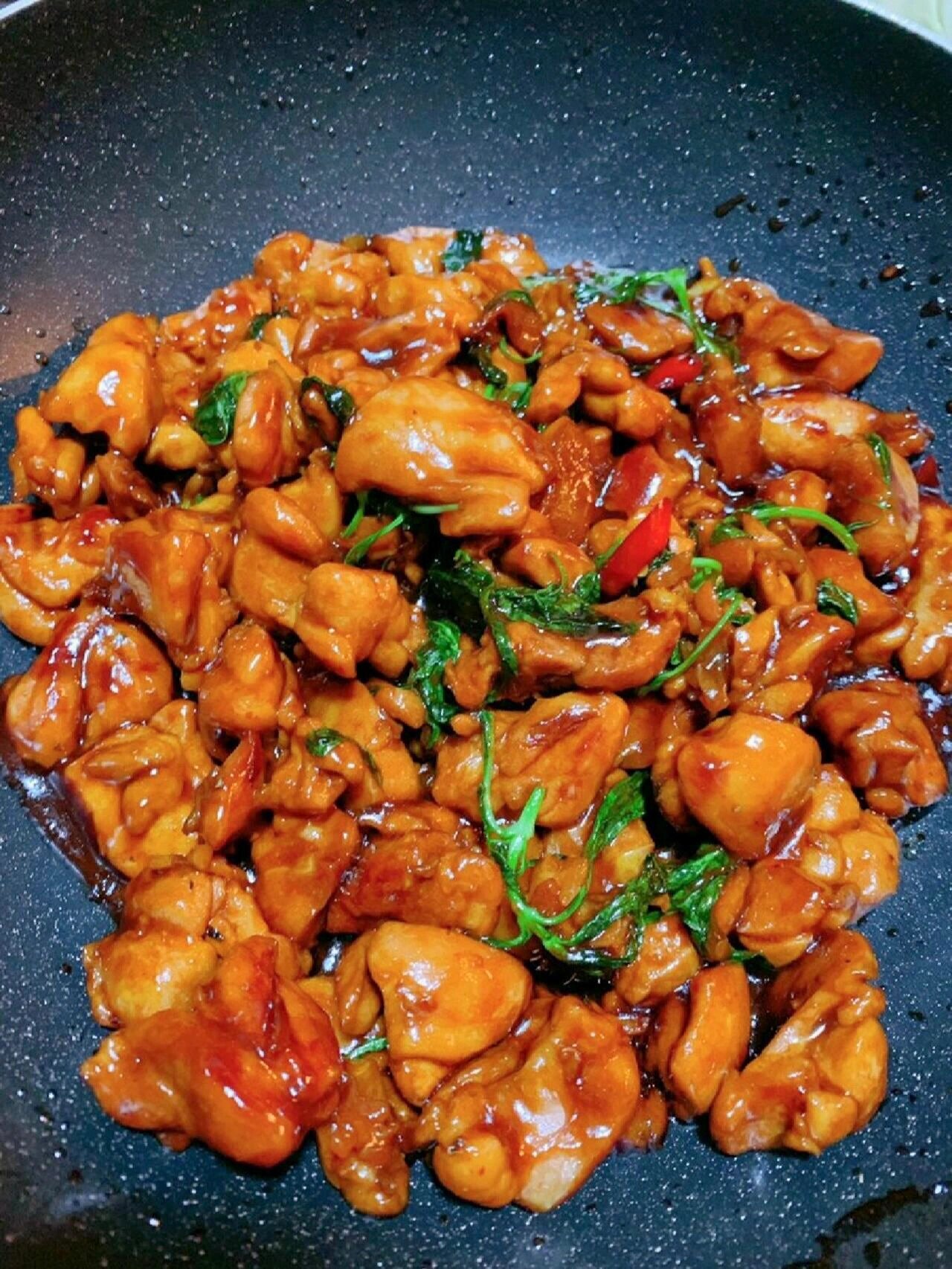
    Three-Cup Chicken is a classic Taiwanese-style dish known for its rich aroma, savory flavor, and comforting home-style character.

    Tender pieces of chicken are gently braised with soy sauce, sesame oil, garlic, ginger, and fresh basil until the sauce becomes glossy and flavorful.

    The combination of savory sauce, fragrant sesame oil, and fresh basil makes this dish especially satisfying when served as part of a family-style Chinese meal.

    Ingredients

    • Chicken
    • Fresh Garlic
    • Ginger
    • Fresh Basil
    • Sesame Oil
    • Soy Sauce
    • Cooking Wine
    • Green Onion
    • Sugar
    • Cooking Oil

    What Makes This Dish Special

    Rich and Aromatic Flavor

    Three-Cup Chicken is known for its deep aroma. Garlic, ginger, sesame oil, soy sauce, and basil come together to create a warm and savory flavor.

    Fresh Basil

    Fresh basil is one of the signature ingredients in this dish. It is added near the end of cooking so its fragrance stays fresh and noticeable.

    Tender Braised Chicken

    The chicken is gently cooked in the sauce until tender and well seasoned, allowing it to absorb the flavors without becoming dry.

    Comforting Family-Style Cooking

    Three-Cup Chicken is a wonderful choice for a shared Chinese meal. Its rich flavor pairs especially well with lighter vegetables, cold dishes, and steamed rice.

    Cooking Notes

    The chicken is first cooked with garlic and ginger to build a fragrant base.

    Soy sauce, sesame oil, cooking wine, and a small amount of sugar are then added to create the signature savory sauce.

    The chicken is gently braised until tender and the sauce reduces slightly, coating each piece with flavor.

    Fresh basil is added toward the end so it keeps its aroma and gives the finished dish its distinctive fragrance.

    Serving Suggestions

    Three-Cup Chicken pairs especially well with:

    • Steamed Rice
    • Garlic Green Beans
    • Stir-Fried Snow Peas
    • Broccoli and Mushrooms
    • Napa Cabbage Salad
    • Vegetable Fried Rice

    Its rich and aromatic flavor makes it a strong centerpiece for a balanced family-style menu.

    Amy’s Kitchen Tip

    The key to Three-Cup Chicken is balancing the sauce and adding the basil at the right time.

    The sauce should be rich and flavorful without becoming overly salty, while the basil should be added near the end so its fresh aroma is not lost during cooking.

    Garlic, ginger, sesame oil, and fresh basil are what give this simple home-style dish its distinctive character.

    At Amy’s Private Kitchen, Three-Cup Chicken can be served as part of a customized family-style dinner, private dining menu, or special event menu in Los Angeles.

  • Refreshing Napa Cabbage Salad

    Refreshing Napa Cabbage Salad

    A Light, Crisp, and Refreshing Chinese-Style Cold Dish

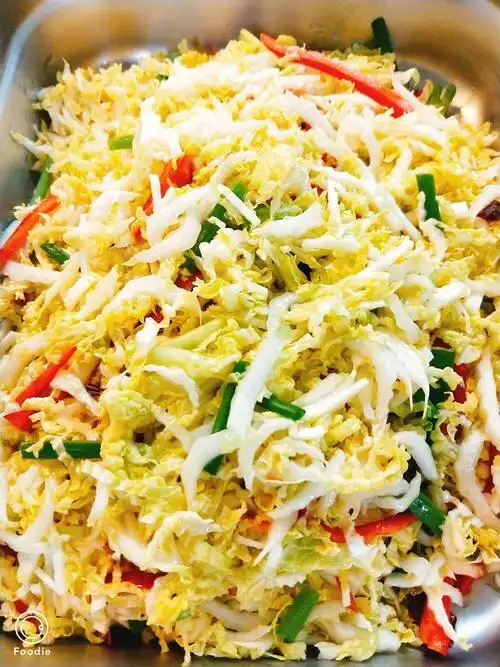
    Refreshing Napa Cabbage Salad is a simple Chinese-style cold dish made with fresh Napa cabbage and a light, flavorful dressing.

    A Light, Crisp, and Refreshing Chinese-Style Cold Dish

    Refreshing Napa Cabbage Salad is a simple Chinese-style cold dish made with fresh Napa cabbage and a light, flavorful dressing.

    The cabbage stays crisp and refreshing, while the seasoning adds a balanced combination of tangy, savory, and aromatic flavor. It is a great appetizer or side dish for family-style meals, especially alongside richer meat, seafood, noodle, or braised dishes.

    This is the kind of cold vegetable dish often served at the beginning of a Chinese meal to bring freshness and balance to the table.

    Ingredients

    • Napa Cabbage
    • Garlic
    • Rice Vinegar
    • Light Soy Sauce
    • Sesame Oil
    • Cooking Oil
    • Salt
    • Optional Chili

    What Makes This Dish Special

    Crisp and Refreshing

    Napa cabbage has a light texture and natural sweetness, making it perfect for a refreshing cold salad.

    Light Yet Flavorful

    The dressing is simple but well balanced, adding brightness and aroma without making the dish feel heavy.

    A Classic Cold Dish

    Refreshing cabbage salads are a common part of Chinese family-style meals, offering a cool and appetizing contrast to warm dishes.

    Perfect for Sharing

    Because it is light and easy to enjoy, this dish works especially well as part of a larger shared meal.

    Cooking Notes

    The Napa cabbage is cut into bite-sized pieces and seasoned lightly so it keeps its natural crunch.

    Garlic, vinegar, sesame oil, and other simple seasonings create a fresh and aromatic dressing.

    For a little extra flavor, chili can be added to give the dish a mild spicy kick.

    Serving Suggestions

    Refreshing Napa Cabbage Salad pairs well with:

    • Northeastern Chinese Pork Rib Stew
    • Garlic Fish Fillets
    • Moo Shu Chicken
    • Beef Chow Mein with Bell Peppers
    • Shrimp Fried Rice
    • Garlic Green Beans

    Because it is cool, crisp, and light, it works especially well as a cold appetizer in a family-style menu.

    Amy’s Kitchen Tip

    The key to this dish is keeping the cabbage fresh and crisp.

    The seasoning should enhance the natural freshness of the cabbage rather than overpower it.

    At Amy’s Private Kitchen, Refreshing Napa Cabbage Salad can be served as part of a customized family-style dinner, private party menu, or special event menu in Los Angeles.

  • Stir-Fried Broccoli with Wood Ear Mushrooms and Carrots

    Stir-Fried Broccoli with Wood Ear Mushrooms and Carrots

    A Light and Colorful Chinese Vegetable Stir-Fry

    Stir-Fried Broccoli with Wood Ear Mushrooms and Carrots is a simple Chinese home-style vegetable dish with fresh broccoli, crisp wood ear mushrooms, and naturally sweet carrots.

    The vegetables are quickly stir-fried to keep their texture and color, then lightly seasoned with garlic and a small amount of savory sauce.

    This dish is fresh, balanced, and especially suitable for family-style meals because it pairs well with both meat and seafood dishes.

    Ingredients

    • Broccoli
    • Wood Ear Mushrooms
    • Carrots
    • Garlic
    • Cooking Oil
    • Light Soy Sauce
    • Salt
    • White Pepper

    What Makes This Dish Special

    Fresh and Colorful Vegetables

    The combination of green broccoli, dark wood ear mushrooms, and bright carrots makes this dish visually appealing as well as flavorful.

    Crisp Wood Ear Mushrooms

    Wood ear mushrooms have a unique light crunch that adds texture without making the dish feel heavy.

    Light Garlic Flavor

    Fresh garlic adds aroma while allowing the natural flavors of the vegetables to remain the focus.

    Simple Chinese Home Cooking

    This is the kind of everyday vegetable dish often served as part of a Chinese family meal—fresh ingredients, quick cooking, and light seasoning.

    Cooking Notes

    The broccoli is cooked just until tender while still keeping some bite.

    The carrots are sliced thinly so they cook quickly, while the wood ear mushrooms are added for their characteristic crisp texture.

    The vegetables are stir-fried over relatively high heat and seasoned lightly so they stay fresh and colorful rather than becoming soft or overly sauced.

    Serving Suggestions

    Stir-Fried Broccoli with Wood Ear Mushrooms and Carrots pairs well with:

    • Steamed Rice
    • Garlic Fish Fillets
    • Beef Chow Mein
    • Moo Shu Chicken
    • Northeastern Chinese Pork Rib Stew
    • Dumplings

    It is especially useful as a lighter vegetable dish alongside richer meat or noodle dishes.

    Amy’s Kitchen Tip

    The key to this dish is not overcooking the vegetables.

    Broccoli should remain bright green, carrots should keep a little sweetness and bite, and the wood ear mushrooms should stay pleasantly crisp.

    At Amy’s Private Kitchen, Stir-Fried Broccoli with Wood Ear Mushrooms and Carrots can be served as part of a customized family-style dinner, private dining menu, or special event menu in Los Angeles.

  • Garlic Fish Fillets

    Garlic Fish Fillets

    Tender White Fish with Fresh Garlic and Light Chinese Seasoning

    Garlic Fish Fillets is a light and flavorful Chinese-style dish made with tender white fish, fresh garlic, and simple seasonings.

    The fish is gently cooked until soft and flaky, then combined with plenty of aromatic garlic. The seasoning is kept light so the natural flavor of the fish remains the focus.

    It is a great choice for family-style dinners because it feels fresh and delicate while still bringing plenty of savory flavor to the table.

    Ingredients

    • White Fish Fillets
    • Fresh Garlic
    • Ginger
    • Green Onion
    • Cooking Oil
    • Light Soy Sauce
    • Cooking Wine
    • White Pepper
    • Salt

    What Makes This Dish Special

    Tender and Delicate Fish

    White fish has a mild flavor and soft texture, making it ideal for absorbing the aroma of garlic without becoming too heavy.

    Plenty of Fresh Garlic

    Garlic is the signature flavor of this dish. It adds warmth and fragrance while complementing the delicate fish.

    Light Seasoning

    Instead of using a thick or strongly flavored sauce, the seasonings are kept simple so the fish stays fresh-tasting and balanced.

    Family-Style Chinese Cooking

    Garlic Fish Fillets is the kind of dish that works beautifully as part of a larger Chinese meal, especially alongside vegetables, rice, noodles, and richer meat dishes.

    Cooking Notes

    The fish is cut into manageable pieces and lightly seasoned before cooking.

    Because fish cooks quickly, the key is to avoid overcooking it. The goal is for the fillets to remain moist, tender, and easy to flake.

    Fresh garlic is added to create the main aroma of the dish, while ginger and green onion help keep the overall flavor clean and balanced.

    Serving Suggestions

    Garlic Fish Fillets pairs especially well with:

    • Steamed Rice
    • Garlic Green Beans
    • Broccoli and Mushrooms
    • Moo Shu Chicken
    • Shrimp Fried Rice
    • Cold Vegetable Salads

    Its lighter flavor makes it a good choice for balancing richer dishes in a family-style menu.

    Amy’s Kitchen Tip

    The most important part of this dish is controlling the cooking time.

    Fish becomes dry very quickly when overcooked, so it should be cooked only until tender and just done.

    Fresh garlic, gentle seasoning, and properly cooked fish are what make this simple dish especially delicious.

    At Amy’s Private Kitchen, Garlic Fish Fillets can be served as part of a customized family-style dinner, private dining menu, or special event menu in Los Angeles.

  • Northeastern Chinese Pork Rib Stew

    Northeastern Chinese Pork Rib Stew

    A Hearty Family-Style Stew from Northeast China

    Northeastern Chinese Pork Rib Stew is a comforting home-style dish inspired by the traditional cooking of Northeast China.

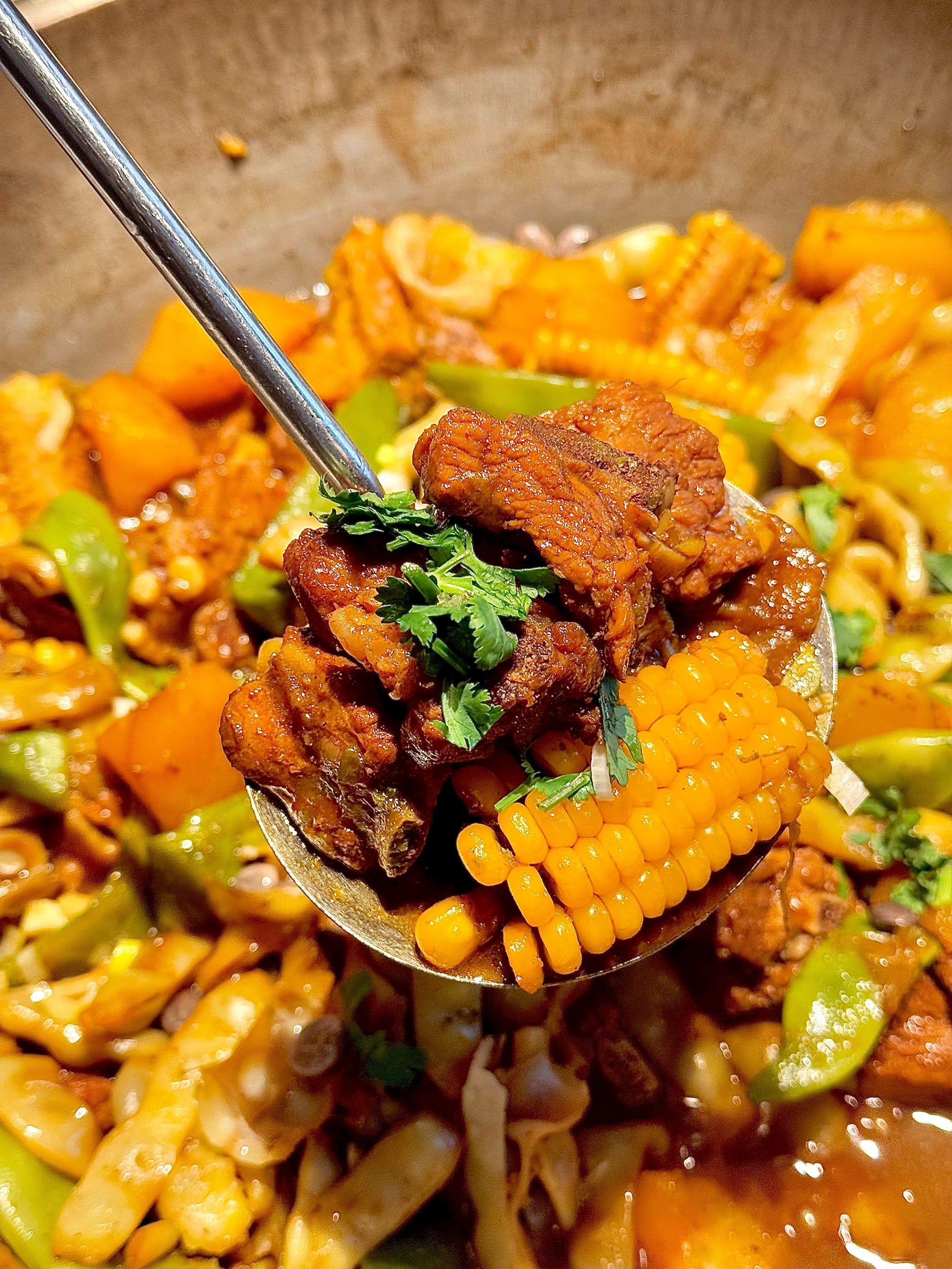
    Tender pork ribs are slowly simmered with hearty vegetables in a savory broth until the meat becomes flavorful and the vegetables absorb the rich taste of the stew.

    This type of one-pot dish is especially popular in Northeast China, where family meals often feature generous portions, warming flavors, and simple ingredients cooked together until deeply satisfying.

    Ingredients

    • Pork Ribs
    • Potatoes
    • Green Beans
    • Corn
    • Pumpkin or Squash
    • Garlic
    • Ginger
    • Soy Sauce
    • Cooking Wine
    • Chinese Spices
    • Salt

    What Makes This Dish Special

    Slow-Cooked Pork Ribs

    The pork ribs are simmered until tender, allowing their flavor to develop gradually and enrich the broth.

    Hearty Vegetables

    Potatoes, green beans, corn, and squash absorb the savory cooking juices and become an important part of the dish rather than simply a side.

    Rich but Comforting Flavor

    The seasoning is savory and aromatic without relying on a heavy sauce. The flavor comes from the combination of meat, vegetables, spices, and slow cooking.

    Traditional Northeast Chinese Home Cooking

    Known in Chinese as Dongbei Tie Guo Dun, this style of cooking reflects the generous and rustic food traditions of Northeast China.

    Traditionally, the ingredients are simmered together in a large iron pot and shared family-style.

    Cooking Notes

    The pork ribs are first prepared to remove impurities and create a cleaner-tasting broth.

    They are then simmered with aromatics and seasonings before the vegetables are added in stages according to their cooking time.

    The dish is cooked until the pork is tender and the vegetables have absorbed the broth while still holding their shape.

    The result is a warm, deeply savory stew that is especially satisfying when served directly in the center of the table for everyone to share.

    Serving Suggestions

    Northeastern Chinese Pork Rib Stew is best served family-style and pairs well with:

    • Steamed Rice
    • Chinese Flatbread
    • Cold Vegetable Salads
    • Garlic Green Beans
    • Stir-Fried Vegetables
    • Dumplings

    Because the stew itself is rich and hearty, lighter vegetable dishes and cold appetizers make excellent accompaniments.

    Amy’s Kitchen Tip

    The secret to a good Northeastern Chinese stew is giving the ingredients enough time to cook together.

    As the pork ribs simmer, the vegetables absorb the savory broth while also adding their own natural sweetness to the dish.

    It is simple, generous, and comforting—the kind of food meant to be shared around a table.

    At Amy’s Private Kitchen, Northeastern Chinese Pork Rib Stew can be served as part of a customized family-style dinner, private dining menu, or special event menu in Los Angeles.

  • How to Plan a Chinese Family-Style Party Menu for 15–35 Guests

    How to Plan a Chinese Family-Style Party Menu for 15–35 Guests

    Planning food for a larger gathering is very different from planning an intimate private dinner.

    For a smaller private dining experience, the menu can focus more on detailed preparation, delicate presentation, and dishes that require more individual attention.

    For a party of 15–35 guests, the priorities change.

    The food still needs to taste fresh and memorable, but the menu also needs to work well in larger quantities, stay consistent from the first serving to the last, and move smoothly through the kitchen.

    At Amy’s Private Kitchen, I usually recommend around 8–10 dishes for a family-style party of 15–35 guests.

    The goal is not to serve as many dishes as possible. The goal is to create a balanced menu that feels abundant, tastes good, and can be prepared efficiently for a larger group.

    What Is the Difference Between Intimate Private Dining and a Party Menu?

    Private dining and party service may both involve customized menus and on-site cooking, but the menu design is different.

    Intimate Private Dining

    For a smaller group, usually around 4–10 guests, I can spend more time on dishes that require detailed preparation, multiple cooking steps, or more careful finishing.

    These menus may include:

    • More delicate seafood dishes
    • Handmade dumplings or pancakes
    • Dishes with more complicated preparation
    • Multiple sauces or finishing steps
    • More individual attention to plating and timing
    • Smaller-batch stir-fries
    • Dishes that are best served immediately after cooking

    The focus is on precision, detail, and a more personalized dining experience.

    A smaller group gives the chef more flexibility to prepare dishes that are more labor-intensive or sensitive to timing.

    Family-Style Party Dining

    For a party of 15–35 guests, the menu needs to work on a larger scale.

    The focus becomes:

    • Generous portions
    • Strong, reliable flavor
    • Dishes that hold well
    • Efficient batch cooking
    • Smooth serving flow
    • A good balance of proteins, vegetables, rice, and noodles
    • Food that is easy for guests to share

    The food should still feel special, but the menu should not depend on every dish being cooked one small pan at a time.

    For larger parties, I prefer dishes that can be prepared in larger batches while still tasting fresh and satisfying.

    My Recommended Party Menu Structure

    For approximately 15–35 guests, I usually recommend 8–10 dishes.

    A balanced menu may include:

    1 Cold Dish or Salad

    A cold dish is a good way to start the meal.

    It can be prepared in advance, served right away, and helps balance richer dishes later in the meal.

    Examples include:

    • Refreshing Napa Cabbage Salad
    • Chinese-Style Broccoli Salad
    • Celery & Peanut Salad
    • Apple & Purple Cabbage Salad

    Cold dishes are especially useful at larger gatherings because guests can begin eating while hot dishes are still being prepared.

    1 Braised or Stewed Dish

    I strongly recommend including at least one braised or stewed dish for a larger party.

    These dishes are ideal because they can be cooked in a large pot, hold heat well, and often taste even better after the flavors have had time to develop.

    Examples include:

    • Northeastern Chinese Pork Rib Stew
    • Braised Beef Brisket with Tomato
    • Curry Chicken
    • Braised Fish with Tofu

    A good braised dish gives the menu a comforting centerpiece and also helps reduce pressure on the stovetop during service.

    3–4 Main Protein Dishes

    The main dishes should ideally include different proteins so the menu feels varied.

    For example:

    • Moo Shu Chicken
    • Hunan-Style Stir-Fried Beef
    • Stir-Fried Shrimp with Bell Peppers & Onion
    • Garlic Fish Fillets
    • Three-Cup Chicken

    For larger parties, I usually choose dishes that can be cooked efficiently in batches without losing quality.

    1–2 Vegetable Dishes

    Vegetable dishes help balance richer meat and seafood dishes and keep the overall menu from feeling too heavy.

    Good choices include:

    • Garlic Green Beans
    • Stir-Fried Broccoli with Wood Ear Mushrooms & Carrots
    • Chinese-Style Stir-Fried Shredded Potatoes
    • Seasonal Stir-Fried Vegetables

    I usually prefer vegetable dishes with simple, clean flavors so they can balance stronger dishes such as stews, beef, or seafood.

    1 Fried Rice

    Fried rice is one of the most practical dishes for a larger family-style party.

    It is filling, easy to share, and pairs well with almost every other dish on the table.

    Popular options include:

    • Shrimp Fried Rice
    • Green Bean & Beef Fried Rice
    • Cabbage Fried Rice

    For larger parties, fried rice is especially useful because it can be prepared in generous portions and helps make the meal feel complete without adding another complicated main dish.

    1 Noodle Dish

    I also like to include one noodle dish.

    Rice and noodles together give guests more variety and make the table feel more complete.

    Good options include:

    • Beef Chow Mein
    • Chicken Chow Mein
    • Thai-Style Stir-Fried Rice Noodles
    • Braised Noodles with Green Beans

    Noodles also work well for guests who may want something less heavy than rice.

    A Sample 9-Dish Party Menu for 20–30 Guests

    Here is one example of a balanced family-style menu:

    Cold Dish
    Apple & Purple Cabbage Salad

    Braised Dish
    Northeastern Chinese Pork Rib Stew

    Main Dishes
    Moo Shu Chicken
    Hunan-Style Stir-Fried Beef
    Stir-Fried Shrimp with Bell Peppers & Onion

    Vegetable
    Stir-Fried Broccoli with Wood Ear Mushrooms & Carrots

    Rice
    Green Bean & Beef Fried Rice

    Noodles
    Beef Chow Mein

    This type of menu works well because it includes:

    • One refreshing cold dish
    • One comforting large-pot dish
    • Chicken, beef, and seafood
    • One vegetable dish
    • Rice
    • Noodles

    The flavors are varied without making the kitchen overly complicated.

    Depending on the guest count, event style, and kitchen setup, one additional vegetable or main dish can be added to bring the menu closer to 10 dishes.

    Why I Usually Recommend 8–10 Dishes

    For a larger party, more dishes do not always mean a better experience.

    If a menu has too many different dishes, the kitchen can become overloaded and the food may come out too slowly or inconsistently.

    I would rather prepare 8–10 dishes well, with generous portions and good timing, than try to prepare twelve or fourteen dishes that are difficult to manage.

    For 25–35 guests, I often increase the quantity of each dish rather than adding many more menu items.

    This helps keep the food fresh and the serving process organized.

    Some Dishes Are Better for Small Dinners Than Large Parties

    Certain dishes are excellent for intimate private dining but may not be the best choice for a large event.

    For example, dishes that require:

    • Repeated pan-frying
    • Individual plating
    • Multiple finishing steps
    • Very precise timing
    • Small-batch cooking
    • Delicate textures that do not hold well

    may be better suited for smaller groups.

    For larger parties, I prefer dishes that can be prepared confidently in volume without sacrificing flavor.

    That does not mean party food is simpler in quality.

    It means the menu is designed differently.

    The focus is on big flavor, generous portions, consistency, and smooth service.

    How I Balance Flavor in a Party Menu

    A good party menu should not have every dish tasting the same.

    I usually try to include a mix of:

    • Light and refreshing
    • Savory and comforting
    • Mild and bold
    • Meat and vegetables
    • Rice and noodles
    • Braised and stir-fried dishes

    For example, if one dish is spicy, I usually include several mild dishes as well.

    If the menu includes a rich stew, I may balance it with a crisp salad and a lighter vegetable stir-fry.

    This is especially important for mixed-age gatherings with children, older guests, or people who prefer different spice levels.

    The Kitchen Setup Matters

    For parties of 15–35 guests, the kitchen itself can influence the menu.

    Before finalizing a larger event, I may ask about:

    • Number of stove burners
    • Oven availability
    • Counter space
    • Refrigerator space
    • Sink access
    • Serving area
    • Available cookware

    A well-designed party menu should work with the kitchen, not against it.

    Sometimes changing one or two dishes can make the entire cooking process smoother and improve the final result.

    Final Thoughts

    Intimate private dining and family-style party dining are both customized experiences, but they are designed with different priorities.

    Private dining allows for more detailed, delicate, and labor-intensive dishes.

    Party dining focuses on generous portions, strong flavor, reliable execution, and dishes that work beautifully for a larger group.

    For gatherings of approximately 15–35 guests, I usually recommend around 8–10 dishes, including:

    • One cold dish or salad
    • One braised or stewed dish
    • Three to four main protein dishes
    • One or two vegetable dishes
    • One fried rice
    • One noodle dish

    This creates a menu that feels abundant, balanced, and enjoyable without making the kitchen overly complicated.

    Planning a Family-Style Party in Los Angeles?

    Amy’s Private Kitchen creates customized Chinese family-style menus for birthdays, family gatherings, celebrations, and special events throughout Los Angeles.

    Menus are designed around your guest count, preferences, kitchen setup, and event style.

    Planning a Chinese Dinner or Special Event?

    Explore Amy’s private chef services, browse sample dishes, or get in touch to create a customized menu for your gathering.
  • Best Chinese Dishes for a Party of 20–30 Guests

    Best Chinese Dishes for a Party of 20–30 Guests

    Planning food for a party of 20 to 30 guests can feel overwhelming, especially when you want enough variety without preparing too many dishes.

    Chinese food works especially well for larger gatherings because many dishes are naturally designed for sharing. A balanced family-style menu can include cold appetizers, braised dishes, stir-fries, vegetables, rice, and noodles — giving guests plenty of variety without making the meal feel too complicated.

    The key is choosing dishes that are flavorful, easy to serve, and practical to prepare in larger quantities.

    How Many Dishes Do You Need for 20–30 Guests?

    For a Chinese family-style party of around 20 to 30 guests, 7 to 9 dishes is often a comfortable range, especially if rice and noodles are included.

    A balanced menu might include:

    • 1 cold appetizer or salad
    • 1 braised or stewed dish
    • 3 to 4 protein dishes
    • 1 to 2 vegetable dishes
    • 1 rice dish
    • 1 noodle dish

    The exact number depends on the age of your guests, appetite, serving style, and whether dessert or appetizers will also be served.

    For a mixed-age gathering, it is often better to offer variety rather than making every dish extremely large.

    1. Northeastern Chinese Pork Rib Stew

    A large braised or stewed dish is one of the best choices for a bigger gathering.

    Northeastern Chinese Pork Rib Stew combines tender pork ribs with vegetables cooked slowly in a savory broth. It is hearty, comforting, and easy to share.

    Braised dishes are especially useful for parties because they can often be prepared earlier and kept warm while other dishes are finished.

    They also work well as one of the first main dishes served, since guests tend to eat more at the beginning of the meal.

    2. Curry Chicken

    Curry Chicken is another excellent family-style dish for larger groups.

    Tender chicken is simmered with potatoes, carrots, and onions in a warm curry sauce.

    It is:

    • Mild and approachable
    • Easy to portion
    • Filling without being too heavy
    • Delicious with steamed rice
    • Suitable for guests of different ages

    For a party menu, Curry Chicken can provide a comforting contrast to lighter stir-fried dishes.

    3. Moo Shu Chicken

    Moo Shu Chicken is a fun choice for a party because it adds a more interactive element to the meal.

    The filling typically includes chicken, eggs, mushrooms, and vegetables, served with thin pancakes or wraps.

    Guests can assemble their own portions, which makes the dish especially enjoyable at family gatherings.

    For larger parties, preparing extra pancakes is important because guests often take more than one.

    4. Garlic Fish Fillets

    Fish can add variety to a menu that already includes chicken, pork, or beef.

    Boneless fish fillets cooked with garlic are easier to serve than whole fish at a large gathering.

    A simple garlic preparation keeps the dish flavorful without making it too spicy, which is helpful when serving a mixed group.

    Fish also provides a lighter protein option alongside richer braised dishes.

    5. Beef with Noodles

    Beef and noodles are a natural fit for larger gatherings.

    A noodle dish helps make the menu feel complete while also providing a filling option for guests with larger appetites.

    Depending on the style, the dish may include:

    • Sliced beef
    • Noodles
    • Green vegetables
    • Onions
    • Soy-based seasoning

    Noodles are especially useful at parties because they can stretch the menu without requiring several additional meat dishes.

    6. Shrimp Fried Rice

    Fried rice is one of the most practical dishes for a party.

    It works as both a side dish and a substantial part of the meal.

    Shrimp Fried Rice adds color, protein, and variety without feeling too heavy.

    For larger events, fried rice is especially helpful because it can be served early and gives guests something filling while additional dishes are still coming from the kitchen.

    If seafood is not preferred, chicken, beef, or vegetable fried rice can also work well.

    7. Garlic Green Beans

    A good party menu should not be all meat.

    Garlic Green Beans are a simple vegetable dish that adds freshness, texture, and color to the table.

    They pair well with:

    • Braised meats
    • Curry dishes
    • Fried rice
    • Noodles
    • Fish

    For larger groups, vegetables with simple seasonings are often better than overly complicated vegetable dishes.

    8. Broccoli, Mushrooms & Carrots

    A mixed vegetable dish is another strong choice for a larger party.

    Broccoli, mushrooms, and carrots provide different textures and colors while balancing richer dishes on the table.

    This type of vegetable dish can also be made vegetarian, which is helpful if some guests prefer meat-free options.

    9. Napa Cabbage Salad

    Starting with a cold appetizer or salad can help the meal feel more balanced.

    Napa Cabbage Salad is refreshing, crisp, and light.

    It works especially well as one of the first dishes served because guests can begin eating while hot dishes are still being prepared.

    Cold dishes are also helpful at home parties because they reduce pressure on the stove during the busiest part of cooking.

    Why Braised Dishes Work So Well for Large Parties

    When cooking for 20 to 30 guests, not every dish should require last-minute stir-frying.

    That can make timing difficult, especially in a home kitchen with limited burners.

    Braised and stewed dishes are valuable because they can usually be prepared ahead and kept warm.

    Examples include:

    • Pork rib stew
    • Beef brisket
    • Braised chicken
    • Braised pork
    • Curry chicken

    Including at least one braised dish can make the overall cooking schedule much easier.

    Why Rice and Noodles Matter

    For a party of 20 to 30 guests, rice and noodles are not just side dishes — they help balance the entire menu.

    A combination such as:

    Shrimp Fried Rice + Stir-Fried Noodles

    gives guests two filling options and allows you to keep protein portions reasonable.

    If the menu already includes both fried rice and noodles, plain steamed rice can be optional depending on the other dishes.

    A Sample Chinese Party Menu for 20–30 Guests

    Here is one example of a balanced family-style menu:

    Cold Dish

    Napa Cabbage Salad

    Main Dishes

    Northeastern Chinese Pork Rib Stew

    Curry Chicken

    Garlic Fish Fillets

    Moo Shu Chicken

    Vegetables

    Garlic Green Beans

    Broccoli, Mushrooms & Carrots

    Rice & Noodles

    Shrimp Fried Rice

    Stir-Fried Beef Noodles

    This type of menu gives guests a good mix of meat, seafood, vegetables, rice, and noodles without requiring too many individual dishes.

    Should You Serve Everything at Once?

    Not necessarily.

    For a Chinese family-style meal, dishes can come out gradually.

    This can actually make the party feel more natural and relaxed.

    A practical serving order might be:

    1. Cold salad
    2. Fried rice
    3. Braised or stewed dish
    4. Vegetable dish
    5. Chicken or beef dishes
    6. Fish
    7. Noodles

    Serving food in stages also helps keep dishes hot and prevents the table from becoming overcrowded.

    What Dishes Should You Avoid for a Large Home Party?

    Some dishes are delicious but may be difficult for larger events.

    For example:

    • Foods that must be deep-fried immediately before serving
    • Dishes that become soggy quickly
    • Extremely delicate seafood
    • Dishes that require individual plating
    • Too many stir-fried dishes that all need the same burner at the same time

    For a home party, the best menu is not necessarily the most complicated menu.

    It is the menu that can be prepared consistently and served at the right temperature.

    How to Build a Balanced Chinese Party Menu

    A good large-party menu usually combines different cooking styles.

    For example:

    One cold dish
    for freshness.

    One stew or braised dish
    for comfort and easy preparation.

    Several stir-fried proteins
    for variety.

    One or two vegetables
    to balance the meal.

    Rice and noodles
    to make sure everyone leaves satisfied.

    This is often more successful than serving six or seven meat dishes.

    Chinese Party Catering in Los Angeles

    Amy’s Private Kitchen creates customized Chinese family-style menus for birthdays, family gatherings, holiday celebrations, and private events across Los Angeles’ Westside.

    For gatherings of approximately 20 to 35 guests, menus can be designed around:

    • Guest count
    • Kitchen setup
    • Dietary preferences
    • Spice level
    • Favorite dishes
    • Event style

    Some dishes can be prepared in advance, while others can be cooked or finished on-site depending on the kitchen and event schedule.

    Planning a Party for 20–30 Guests?

    The best Chinese party menu is one that offers variety without making the meal unnecessarily complicated.

    For most gatherings, a combination of a cold dish, one braised dish, several proteins, vegetables, fried rice, and noodles provides plenty of food and variety for guests to share.

    Amy can help create a customized family-style Chinese menu based on your guest count, preferences, and kitchen setup.

    Planning a Chinese Dinner or Special Event?

    Explore Amy’s private chef services, browse sample dishes, or get in touch to create a customized menu for your gathering.

  • A Sample 9-Dish Family-Style Party Menu

    A Sample 9-Dish Family-Style Party Menu

    For a gathering of around 20–30 guests, I might recommend a menu like this:

    Cold Dish
    Apple & Purple Cabbage Salad
    Crisp purple cabbage and fresh apple tossed in a light, refreshing dressing — a bright way to start the meal.

    Braised Dish
    Northeastern Chinese Pork Rib Stew
    A comforting large-pot dish with tender pork ribs and vegetables, perfect for serving a crowd.

    Main Dishes
    Moo Shu Chicken
    Tender chicken stir-fried with eggs, mushrooms, and vegetables, served family-style.

    Hunan-Style Stir-Fried Beef
    Thinly sliced beef quickly stir-fried with fresh chilies, garlic, and aromatics for a bold, savory flavor.

    Stir-Fried Shrimp with Bell Peppers & Onion
    Juicy shrimp with colorful bell peppers and sweet onion in a light savory sauce.

    Vegetable
    Stir-Fried Broccoli with Wood Ear Mushrooms & Carrots
    A colorful, crisp vegetable dish that helps balance the richer meat and seafood dishes.

    Rice
    Green Bean & Beef Fried Rice
    Savory fried rice with beef, green beans, eggs, and vegetables — hearty, familiar, and easy to share.

    Noodles
    Beef Chow Mein
    Stir-fried noodles with tender beef and vegetables, adding another satisfying option for the table.

    Additional Vegetable or Main Dish
    Depending on the guest count, I may add one more dish such as Garlic Green Beans, Curry Chicken, Garlic Fish Fillets, or Seasonal Stir-Fried Vegetables.

    This type of menu works well because it offers a mix of refreshing, comforting, mild, and bold flavors while also balancing meat, seafood, vegetables, rice, and noodles.

    For larger groups, I usually prefer increasing the quantity of each dish rather than adding too many additional menu items. This helps keep the food fresh, the portions generous, and the cooking process smooth throughout the event.

    Planning a Chinese Dinner or Special Event?

    Explore Amy’s private chef services, browse sample dishes, or get in touch to create a customized menu for your gathering.

  • Chinese Private Chef vs. Restaurant Catering in West Los Angeles

    Chinese Private Chef vs. Restaurant Catering in West Los Angeles

    Planning a birthday, family gathering, dinner party, or special event often starts with one big question:

    Should you hire a private chef or order catering from a restaurant?

    Both options can work well, but they create very different experiences.

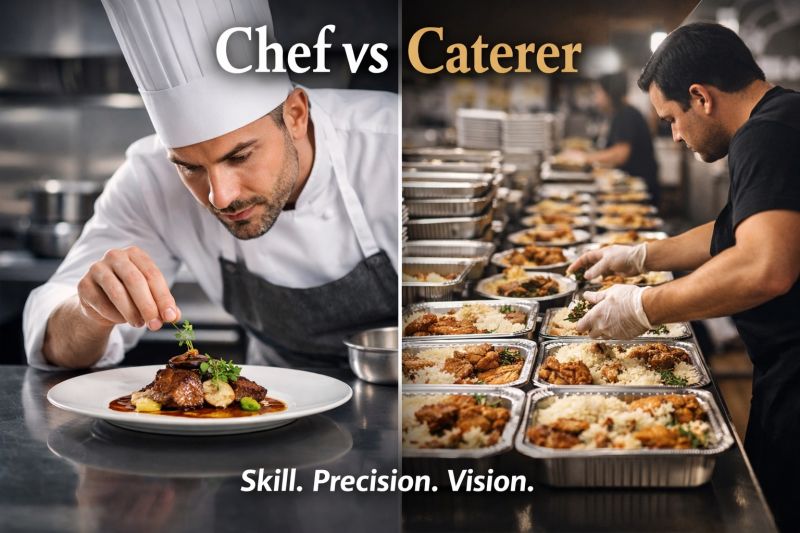
    In West Los Angeles, restaurant catering is widely available and can be a convenient choice for larger groups. A private chef, however, offers something more customized and personal — especially for guests who want freshly prepared Chinese food served family-style at home.

    At Amy’s Private Kitchen, I focus on customized Chinese private dining and family-style gatherings. Here is how I think about the difference between private chef service and restaurant catering.

    What Restaurant Catering Does Well

    Restaurant catering can be a great option when convenience and budget are the main priorities.

    Most restaurant catering is designed around larger trays of food that are prepared in the restaurant and then picked up or delivered to your event.

    This works especially well for:

    • Office lunches
    • Casual gatherings
    • Large groups
    • Events with a limited budget
    • Situations where you simply need food delivered

    Restaurant catering also makes ordering simple. You usually choose dishes from an existing menu, select tray sizes, and decide how much food you need.

    For many events, that is exactly the right solution.

    What Is Different About Hiring a Private Chef?

    A private chef experience starts with the gathering rather than a fixed menu.

    Instead of choosing only from predetermined catering trays, the menu can be designed around:

    • Number of guests
    • Favorite dishes
    • Dietary preferences
    • Spice level
    • Ages of the guests
    • Kitchen setup
    • Event style
    • Desired serving experience

    For example, a family gathering with children and older guests may need a very different menu from a birthday party with guests who enjoy spicy food.

    That flexibility is one of the biggest differences.

    Fresh Cooking vs. Food Prepared Off-Site

    With restaurant catering, most of the food is prepared before it arrives.

    That can be very convenient, but certain dishes naturally change as they sit.

    Stir-fried vegetables may soften. Noodles can absorb sauce. Fried rice and meat dishes may lose some of their just-cooked texture.

    With a private chef, many dishes can be cooked or finished on-site.

    This is particularly important for Chinese food because so many dishes depend on timing, temperature, and texture.

    Fresh stir-fries, vegetables, noodles, and seafood can be served closer to the moment they are cooked.

    A Private Chef Menu Can Be Designed as One Complete Meal

    One thing I pay close attention to is how the entire table works together.

    A Chinese family-style meal is not simply a collection of popular dishes.

    For a larger gathering, I might recommend a menu with:

    • One cold dish or salad
    • One braised or stewed dish
    • Several protein dishes
    • One or two vegetables
    • Fried rice
    • Noodles

    The dishes are selected to balance each other.

    If one dish is spicy, several others may be mild.

    If there is a rich stew, I may pair it with a refreshing salad and lighter vegetables.

    The goal is for the whole table to feel balanced rather than every dish competing for attention.

    Authentic Chinese Food Can Look Different From a Restaurant Catering Menu

    Many Americans are familiar with dishes such as fried rice, chow mein, beef with broccoli, or orange chicken.

    Those dishes can absolutely have a place at a party.

    But Chinese family-style dining can include a much broader range of food.

    For example:

    • Northeastern Chinese Pork Rib Stew
    • Braised Fish with Tofu
    • Hunan-Style Stir-Fried Beef
    • Three-Cup Chicken
    • Moo Shu Chicken
    • Celery & Peanut Salad
    • Apple & Purple Cabbage Salad
    • Stir-Fried Broccoli with Wood Ear Mushrooms & Carrots
    • Green Bean & Beef Fried Rice

    These kinds of dishes can make the meal feel more like food you might share around a family table rather than a standard takeout order.

    Private Chef vs. Restaurant Catering: A Quick Comparison

    Private ChefRestaurant Catering
    MenuHighly customizedUsually based on an existing menu
    CookingMany dishes prepared or finished on-siteUsually prepared at the restaurant
    Spice LevelEasier to customizeOften more standardized
    Dietary PreferencesCan be discussed while planning the menuDepends on restaurant options
    Serving StyleFamily-style or buffet-styleUsually catering trays
    Kitchen InvolvementChef works in your kitchen or event spaceLittle or no kitchen use
    ExperienceMore personal and interactiveMore convenient and straightforward
    CostUsually higherUsually more economical
    Best ForPrivate dinners, birthdays, family celebrations, special eventsOffice meals, casual events, large-volume food orders

    What About the Cost?

    Restaurant catering will often cost less per person.

    That makes sense because the restaurant prepares food in its own commercial kitchen, often using a standardized menu and production process.

    Private chef pricing includes more than the food itself.

    Depending on the service, it may include:

    • Menu planning
    • Grocery shopping
    • Ingredients
    • Ingredient preparation
    • Travel
    • Cooking equipment and seasonings
    • On-site cooking
    • Family-style or buffet setup
    • Basic kitchen cleanup

    So when comparing prices, it helps to compare the entire service rather than only the cost of the food.

    When Restaurant Catering May Be the Better Choice

    I would often recommend restaurant catering if:

    • Your main priority is keeping the cost as low as possible.
    • You need food for a very large number of guests.
    • You mainly want delivery or pickup.
    • You do not need a customized menu.
    • You do not need food cooked on-site.
    • A standard catering menu works well for your event.

    There is nothing wrong with choosing catering when it matches what you need.

    When a Private Chef May Be Worth It

    A private chef may be a better fit if:

    • You want a customized menu.
    • You are hosting guests in your home.
    • You want freshly prepared food.
    • You care about the timing and texture of the dishes.
    • Your guests have different spice preferences or dietary needs.
    • You want the meal to feel more personal.
    • You would rather spend time with your guests than manage the cooking yourself.

    This can be especially valuable for birthdays, family gatherings, anniversaries, holiday dinners, and other occasions where the meal is an important part of the experience.

    Why Family-Style Chinese Food Works So Well for Private Events

    Chinese food naturally works well for sharing.

    Instead of everyone receiving the same individual entrée, guests can try several dishes throughout the meal.

    One person may love the beef. Someone else may prefer seafood. Another guest may mostly eat vegetables.

    Family-style dining gives everyone more freedom to choose.

    It also encourages conversation and creates a warmer, more social atmosphere around the table.

    What Is the Situation in West Los Angeles?

    West Los Angeles has many restaurants, takeout options, and catering services.

    What can be harder to find is the combination of:

    Chinese home-style cooking + customized menus + on-site preparation + family-style service for a private gathering.

    Traditional catering usually focuses on trays and delivery.

    Private chef services may offer highly customized in-home dining, but not every chef specializes in Chinese food or larger family-style gatherings.

    That creates a middle ground for hosts who want something more personal than restaurant catering but more relaxed than a formal plated dinner.

    That is the space Amy’s Private Kitchen is designed to serve.

    Private Dining and Parties Are Also Different

    Even within private chef service, I design smaller dinners and larger parties differently.

    For intimate private dining, usually around 4–10 guests, there is more room for:

    • Detailed preparation
    • Handmade dishes
    • More delicate ingredients
    • Multiple cooking steps
    • Smaller-batch cooking
    • More careful finishing

    For a family-style party of around 15–35 guests, I focus more on:

    • Generous portions
    • Strong, reliable flavor
    • Efficient batch cooking
    • Dishes that hold well
    • Smooth serving flow
    • A balanced 8–10 dish menu

    Both can be special. They simply require different menu planning.

    Which Option Is Right for You?

    If your priorities are price, convenience, and easy delivery, restaurant catering may be the better choice.

    If your priorities are customization, fresh cooking, family-style dining, and a more personal experience, hiring a private chef may be worth considering.

    There is no single right answer.

    The best option depends on the type of gathering you want to create.

    Planning a Chinese Dinner or Party in West Los Angeles?

    Amy’s Private Kitchen creates customized Chinese menus for private dinners, birthdays, family gatherings, parties, and special events throughout West Los Angeles and surrounding areas.

    For smaller gatherings, explore Private Dining.

    For larger celebrations, explore Parties & Special Events.

    Planning a Chinese Dinner or Special Event?

    Explore Amy’s private chef services, browse sample dishes, or get in touch to create a customized menu for your gathering.
  • Stir-Fried Hand-Pulled Noodles

    Stir-Fried Hand-Pulled Noodles

    Stir-fried noodles with tender beef, tomato, and green pepper in a savory and slightly spicy Pixian bean paste sauce — bold, aromatic, and full of Xinjiang-inspired flavor.

    Ingredients:

    • Noodles
    • Beef
    • Tomato
    • Green pepper
    • Pixian bean paste
    • Garlic
    • Oil

  • Braised Beef Buns

    Braised Beef Buns

    Soft Handmade Chinese Buns Filled with Savory Braised Beef

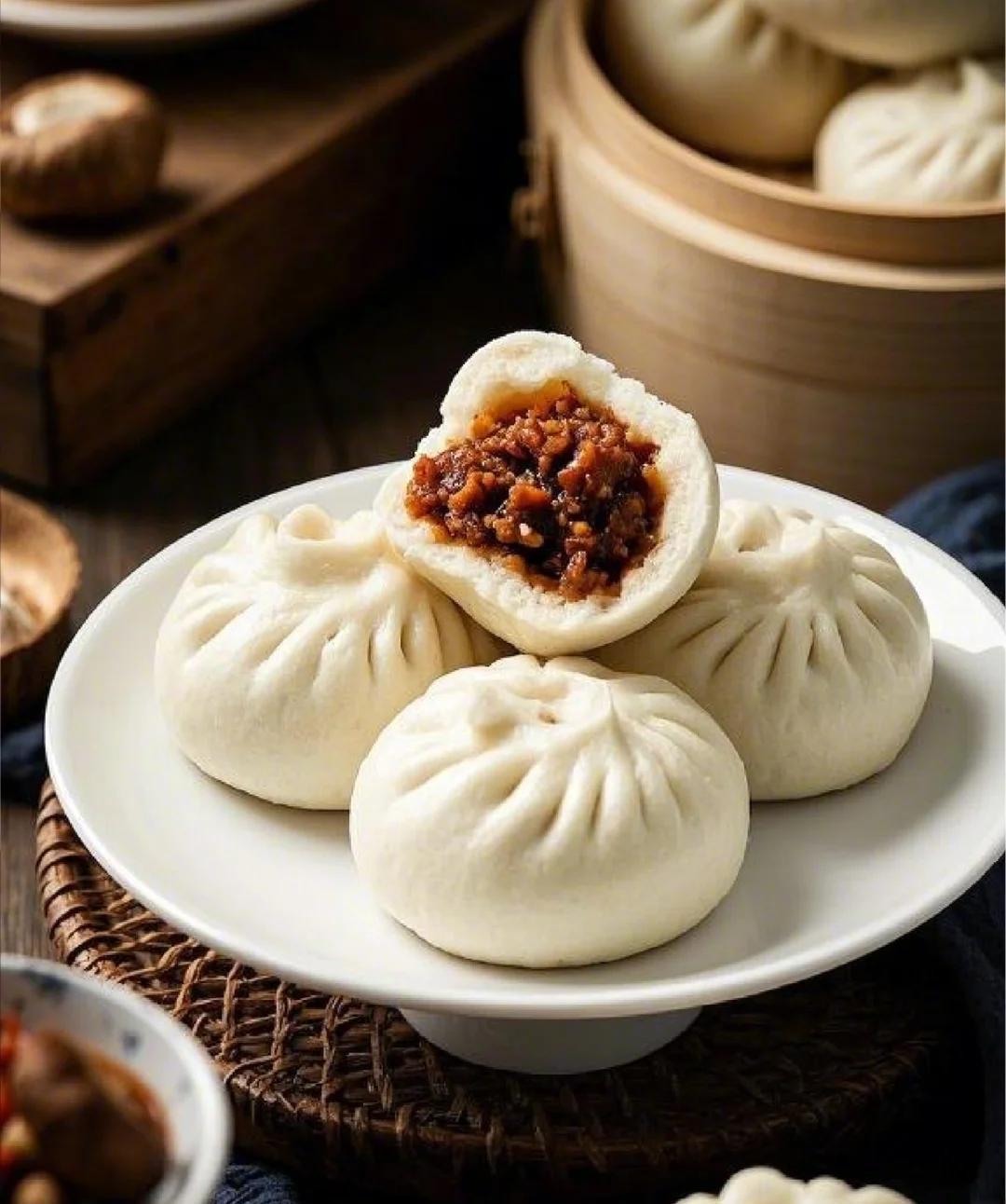
    Braised Beef Buns are soft, handmade Chinese buns filled with richly seasoned beef that has been slowly cooked until tender and flavorful.

    The beef filling is prepared with soy sauce, aromatics, and warm spices, then wrapped in soft dough and steamed until fluffy.

    The result is a comforting, savory bun with a rich beef flavor that works well as a handmade specialty for private dining, family gatherings, and party menus.

    Ingredients

    • All-Purpose Flour
    • Yeast
    • Water
    • Braised Beef
    • Soy Sauce
    • Ginger
    • Garlic
    • Green Onion
    • Onion
    • Five-Spice Seasoning
    • White Pepper
    • Sesame Oil
    • Sugar
    • Cooking Wine
    • Cooking Oil

    What Makes This Dish Special

    Rich Braised Beef Filling

    The beef is cooked slowly with soy sauce, aromatics, and warm spices until tender and deeply flavorful.

    This gives the filling a richer, more developed taste than a simple ground-meat bun.

    Soft Handmade Dough

    The dough is made from scratch and allowed to rise before shaping.

    Once steamed, the buns become soft, fluffy, and slightly chewy, making a perfect contrast to the savory beef filling.

    Comforting and Satisfying

    Braised Beef Buns are hearty enough to feel substantial, but still easy to serve and share.

    They work well as an appetizer, handmade side, or special addition to a family-style Chinese meal.

    Great for Sharing

    Because each bun is individually portioned, they are especially convenient for gatherings and parties.

    They can be served warm in batches and are easy for guests to enjoy without needing much tableware.

    Cooking Notes

    The beef is prepared first so it has time to absorb the flavor of the sauce and spices.

    Once tender, the beef is chopped or shredded and mixed with aromatics to create a flavorful filling.

    The dough is then portioned, filled, shaped, and allowed to rest briefly before steaming.

    The buns are steamed until the dough is fully cooked and fluffy, while the filling stays moist and savory.

    Serving Suggestions

    Braised Beef Buns pair especially well with:

    • Napa Cabbage Salad
    • Celery & Peanut Salad
    • Apple & Purple Cabbage Salad
    • Garlic Green Beans
    • Broccoli with Wood Ear Mushrooms & Carrots
    • Hot and Sour Soup
    • Light Vinegar Dipping Sauce

    They can also be served as a handmade addition to a larger family-style party menu.

    Are Braised Beef Buns Good for Parties?

    Yes.

    They are especially useful as a handmade add-on because they can be prepared in advance and steamed in batches.

    For larger gatherings, the quantity can be adjusted depending on whether the buns are being served as:

    • An appetizer
    • A side dish
    • A handmade specialty
    • A more substantial starch option

    For a party that already includes fried rice and noodles, I usually recommend serving the buns in smaller quantities so the menu does not become too heavy.

    Private Dining vs. Party Service

    For private dining, Braised Beef Buns can be included as a more detailed handmade course, with extra attention to shaping, presentation, and timing.

    For family-style parties, they work better as a prepared specialty that can be steamed in batches and served warm throughout the event.

    This makes them flexible enough for both smaller dinners and larger celebrations.

    Amy’s Kitchen Tip

    The key is to keep the beef filling flavorful but not too wet.

    Too much sauce can make the dough difficult to seal, while a filling that is too dry can feel heavy.

    The best texture comes from tender braised beef with just enough sauce and aromatics to keep the filling moist and rich.

    At Amy’s Private Kitchen, Braised Beef Buns can be included as part of a customized private dining menu, family-style party, or special event in Los Angeles.

  • Private Chef vs Catering for a Home Party: Which Is Better?

    Private Chef vs Catering for a Home Party: Which Is Better?

    Planning a birthday, family gathering, holiday dinner, or special celebration at home often comes with one important decision:

    Should you hire a private chef or choose traditional catering?

    Both can be great options, but they create very different experiences.

    The best choice depends on your guest count, budget, kitchen setup, menu preferences, and how much service you want during the event.

    What Is Traditional Catering?

    Traditional catering usually means food is prepared in advance and delivered to your home or event location.

    Depending on the caterer, the food may arrive in large trays for buffet-style or family-style service.

    Catering is often a good choice when you:

    • Have a larger guest list
    • Want food delivered and ready to serve
    • Prefer a straightforward setup
    • Need to keep costs more predictable
    • Do not need extensive customization or on-site cooking

    For casual parties, office gatherings, and larger events, catering can be convenient and efficient.

    What Does a Private Chef Do?

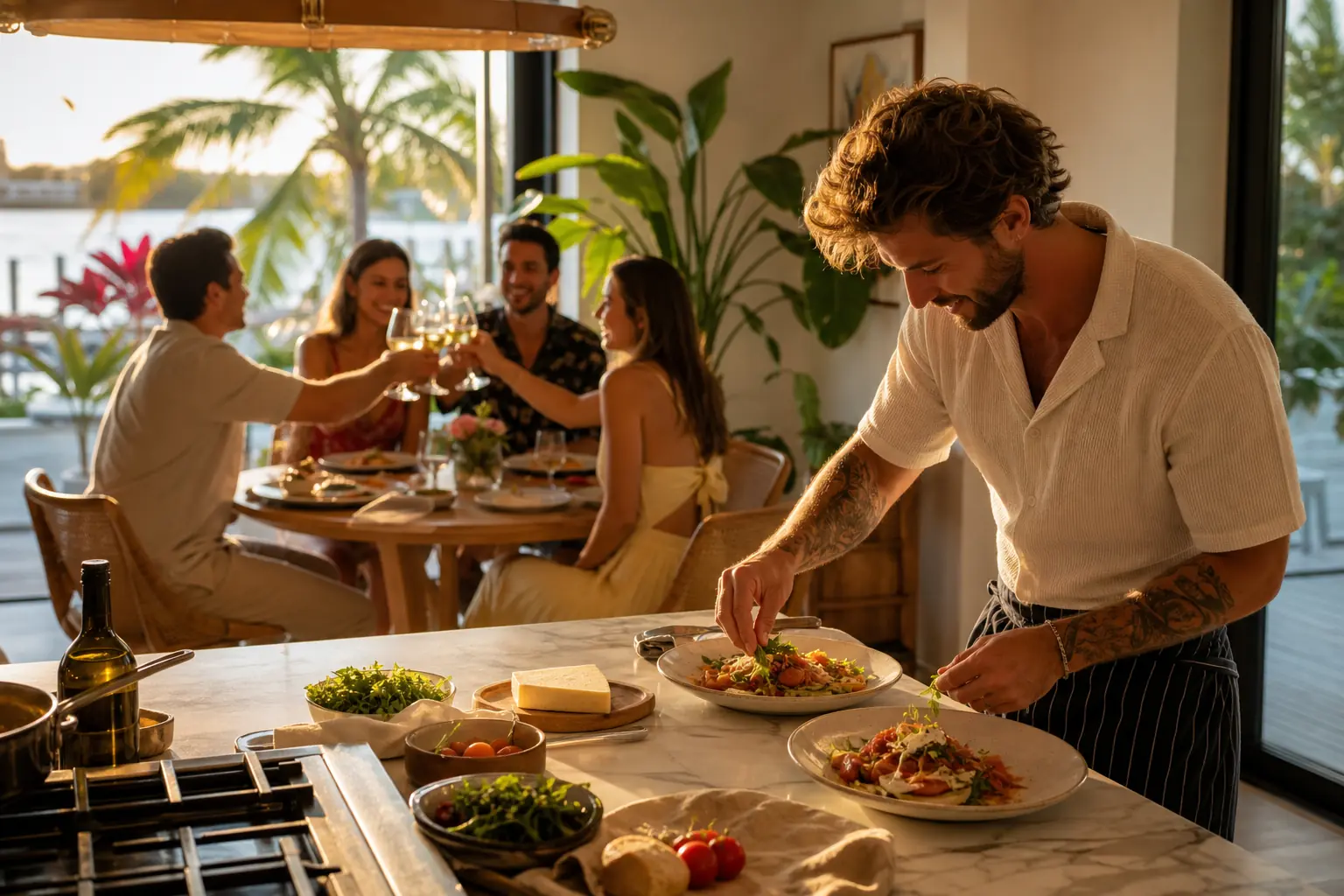
    A private chef experience is usually more personalized.

    The chef may help plan the menu, shop for ingredients, prepare the food specifically for your event, cook on-site, and handle kitchen cleanup afterward.

    Depending on the event, dishes may be cooked and served gradually rather than arriving all at once.

    A private chef may be a better fit when you:

    • Want a customized menu
    • Prefer freshly cooked food
    • Are hosting at home
    • Have dietary preferences or restrictions
    • Want a more personal dining experience
    • Prefer family-style dishes served throughout the evening

    Private Chef vs Catering: The Main Differences

    Private ChefTraditional Catering
    MenuHighly customizableOften based on set packages
    CookingOften prepared or finished on-siteUsually prepared in advance
    FreshnessDishes can be served shortly after cookingFood may need to travel or stay warm
    ServiceMore personalUsually more standardized
    Guest CountBest for small to mid-sized gatheringsOften ideal for larger events
    PriceUsually higherOften more economical
    Kitchen NeededUsually yes for on-site cookingUsually minimal
    ExperiencePart of the event itselfPrimarily food service

    Neither option is automatically better. It depends on the type of party you want to host.

    Which Is More Expensive?

    In most cases, hiring a private chef costs more than standard drop-off catering.

    That is because private chef pricing may include:

    • Menu planning
    • Grocery shopping
    • Ingredient preparation
    • Transportation
    • On-site cooking
    • Longer labor hours
    • Kitchen setup
    • Cleanup

    Traditional catering can be more affordable because food is produced in larger quantities and prepared before arriving at the event.

    However, pricing varies significantly depending on the menu, number of guests, ingredients, and service level.

    When Is Catering the Better Choice?

    Catering may be the better option when you are hosting a large, casual event and primarily need plenty of food for the guests.

    For example, catering may work well for:

    • Large birthday parties
    • Office events
    • Community gatherings
    • Open-house style parties
    • Events with 40, 50, or more guests

    If guests will be eating at different times or moving around rather than sitting down together, buffet or drop-off catering can also make sense.

    When Is a Private Chef Better?

    A private chef can be especially appealing for a home party where the food is an important part of the experience.

    For example:

    • An intimate birthday dinner
    • A family reunion
    • An anniversary celebration
    • A holiday gathering
    • A dinner with friends
    • A small or mid-sized special event

    Instead of receiving trays of food at the door, guests may enjoy dishes as they are freshly prepared and brought to the table.

    This creates a more relaxed, restaurant-like experience without leaving home.

    Why Chinese Food Works Especially Well for a Private Chef Experience

    Chinese cuisine is naturally well suited to family-style dining.

    Rather than serving everyone an individual entrée, several dishes can be placed in the center of the table and shared.

    A menu might include:

    • A refreshing cold dish
    • A braised or stewed dish
    • Chicken, beef, pork, or fish
    • Seasonal vegetables
    • Fried rice
    • Noodles
    • Steamed rice

    Dishes can also be served gradually throughout the meal.

    This style works particularly well for a home party because guests can talk, share food, and enjoy different dishes together.

    Private Chef or Catering for 20–35 Guests?

    This is the range where the decision becomes especially interesting.

    For a party of around 20 to 35 guests, traditional catering may be easier if your priority is simply feeding everyone efficiently.

    But a private chef or customized family-style service may be worth considering if:

    • You have a workable kitchen
    • You want freshly cooked dishes
    • The event is centered around a shared meal
    • You want a customized Chinese menu
    • You prefer food to come out in stages rather than all at once

    For this size of gathering, the menu also matters.

    Large family-style dishes such as braised meats, curry chicken, fried rice, noodles, vegetable dishes, and cold appetizers can work especially well because they can be prepared efficiently while still creating variety.

    What About Kitchen Space?

    This is one of the most important considerations when hiring a private chef for a home party.

    A chef may need access to:

    • Stove burners
    • Oven space
    • Counter space
    • Refrigerator space
    • Sink and running water
    • Basic ventilation

    For larger gatherings, the kitchen setup can directly affect how many dishes can be prepared comfortably on-site.

    That is why it is helpful to discuss the kitchen before finalizing the menu.

    Some dishes may also be partially prepared in advance and finished at the event.

    How Much Food Should You Serve?

    One advantage of family-style Chinese dining is that you do not necessarily need one full entrée per guest.

    Instead, the menu can include several complementary dishes.

    For a larger gathering, a balanced menu might include:

    • 1 cold appetizer or salad
    • 1 braised or stewed dish
    • 3–4 protein dishes
    • 1–2 vegetable dishes
    • Fried rice
    • Noodles

    The exact amount depends on guest count, age range, appetite, and whether appetizers or desserts will also be served.

    Which Option Feels More Special?

    Traditional catering is primarily about convenience.

    A private chef can become part of the event experience itself.

    Guests may see dishes being prepared, smell the food cooking, and enjoy each dish as it comes out of the kitchen.

    For birthdays, anniversaries, or family celebrations, this can make the evening feel more personal.

    At the same time, some hosts prefer to keep the kitchen quiet and have everything prepared beforehand. In that case, catering may be the better fit.

    Questions to Ask Before Choosing

    Before deciding between catering and a private chef, consider:

    • How many guests are coming?
    • What is your budget?
    • Is there a functional kitchen at the event location?
    • Do you want food cooked on-site?
    • Do you want a customized menu?
    • Will guests sit and eat together?
    • Do you prefer buffet or family-style dining?
    • Do you need help with setup or cleanup?
    • Are there dietary restrictions?

    Once you know these answers, the best option is usually much clearer.

    Private Chef for Home Parties in Los Angeles

    Amy’s Private Kitchen offers customized Chinese private dining and family-style menus for home parties and special events across Los Angeles’ Westside.

    Menus can be designed around:

    • Guest count
    • Event style
    • Dietary preferences
    • Kitchen setup
    • Favorite dishes
    • Spice preferences

    For smaller dinners as well as family-style parties of up to approximately 35 guests, the goal is to create a menu that feels generous, comfortable, and enjoyable to share.

    So, Which Should You Choose?

    Choose traditional catering if your priority is convenience, larger quantities, and a simpler setup.

    Choose a private chef if you want a more personalized menu, freshly prepared food, and a dining experience designed specifically for your home and guests.

    For many home parties, there is also a middle ground: a customized family-style menu with some preparation done in advance and selected dishes cooked or finished on-site.

    That can provide the freshness and personal touch of a private chef while still keeping the event practical for a larger group.

    Planning a Home Party in Los Angeles?

    If you are planning a birthday, family gathering, holiday party, or private celebration, Amy can help create a customized Chinese family-style menu based on your guest count, kitchen, and preferences.

    Contact Amy to discuss your event and find the service style that works best for your party.