Author: amy liu

  • Vegans Deserve Better Food

    Vegans Deserve Better Food

    Today I cooked for a vegan client. She had bought some vegan meat and asked me to use it.

    I turned the package over and read the ingredients. It was mainly soy, with a long list of other ingredients added to make it look, feel, and taste like meat.

    My first thought was: if we’re starting with soy anyway, why wouldn’t I use tofu or tofu skin? I know how to cook those. I can give them flavor, texture, and a place in a meal without asking them to pretend to be something else.

    Reading that label didn’t make me excited to cook. It made me wonder why this was what we were offering people who choose not to eat meat.

    I can’t judge a food’s healthfulness simply by counting its ingredients. Still, I would rather start with tofu, tofu skin, beans, mushrooms, and vegetables, and know what I’m adding as I cook. That feels like a better starting point for the food I want to serve.

    And honestly, I don’t find the promise of “just like real meat” convincing. When I taste some of these products, I wonder who decided they tasted like meat. To my palate, they don’t. I worry that someone unfamiliar with meat could take that promise at face value.

    But the more I thought about it, the more I felt that this was also a question for us as cooks.

    If someone asks me for a vegan meal, I should be able to make it delicious. I should also think about whether the meal is substantial enough, where the protein comes from, and how the dishes work together. Removing the meat and leaving a plate of vegetables is not enough. Neither is assuming that a packaged substitute has done the work for me.

    Tofu, tofu skin, and beans give me plenty to work with. Mushrooms and vegetables bring their own flavors and textures. It is my job to turn those ingredients into a meal someone actually looks forward to eating.

    I respect people who give up meat because they don’t want animals to be killed. That choice deserves care from the person cooking for them. They deserve food made with skill and thought, food they enjoy—not something they settle for because it says “vegan” on the package.

    Today also reminded me of a meal I cooked for a friend. He wasn’t vegetarian, but he was eating entirely vegan that month. I made him four dishes.

    After eating, he said, “It tastes exactly like meat!”

    I know that sounds funny after everything I’ve just said. But I took his words as a compliment about how good the meal tasted and how satisfying it was. Here was someone who ate meat, enjoying a completely vegan dinner I had cooked for him.

    It made me proud. I knew I could give him that kind of meal.

    That is what I want to do for my vegan clients, too. They shouldn’t have to choose between their values and enjoying their dinner. As a chef, I feel responsible for helping them have both.

  • Why Chinese Food Is One of the Best Choices for Vegans

    Why Chinese Food Is One of the Best Choices for Vegans

    Eating vegan can mean a table full of choices: handmade dumplings, savory braised tofu, garlicky greens, fragrant mushrooms, and noodles tossed with colorful vegetables.

    Chinese cooking offers a wonderful range of possibilities for plant-based dining. With its variety of ingredients, cooking techniques, and seasonings, it can turn everyday vegetables into dishes worth gathering around.

    Whether you’ve been vegan for years or simply want to eat more plant-based meals, here’s why Chinese food deserves a place at your table.

    Tofu Has a Place of Its Own

    In Chinese cooking, tofu is an ingredient with its own possibilities. It can be silky and delicate, firm and golden-edged, or porous enough to soak up a flavorful broth.

    Soft tofu works beautifully in gently simmered dishes. Firm tofu can be pan-seared and braised with mushrooms or fermented black beans. Tofu skin brings a pleasantly chewy texture, while frozen tofu absorbs sauces throughout its sponge-like interior.

    This variety makes it possible to build satisfying plant-based meals with very different flavors and textures—even when several dishes use soy-based ingredients.

    Vegetables Can Be the Dish You Look Forward To

    A well-cooked vegetable dish brings much more than color to the plate.

    Cabbage becomes sweet and fragrant when quickly stir-fried with dried chilies. Snow peas offer a delicate crunch. Eggplant turns soft and rich as it absorbs a savory sauce. Broccoli catches minced garlic in its florets, making each bite aromatic and flavorful.

    Chinese cooking gives vegetables individual attention. Some are best cooked quickly to preserve their freshness, while others benefit from gentle braising. These different approaches create variety across the table.

    For a vegan diner, that means vegetables can be an exciting part of the meal rather than an afterthought.

    Deep Flavor Can Come from Plant-Based Ingredients

    Many ingredients used in Chinese cooking bring flavor without requiring meat.

    Shiitake mushrooms contribute savory depth. Ginger, garlic, and scallions create an aromatic base. Fermented black beans add a rich, salty character, while vinegar provides brightness and balance.

    For those who enjoy stronger flavors, dried chilies and Sichuan peppercorns bring heat and a distinctive tingling sensation. For those who prefer milder food, mushrooms, gently cooked vegetables, and light seasoning offer plenty to enjoy.

    The result can be fresh and delicate, rich and comforting, or bold and spicy. Vegan food doesn’t have to follow just one flavor profile.

    There Is So Much Variety in Texture

    Texture is a big part of what makes a meal satisfying, and Chinese plant-based dishes offer plenty of contrast.

    Think of crisp lotus root alongside tender mushrooms, soft tofu with crunchy vegetables, or a delicate dumpling wrapper surrounding a savory filling. A bowl of springy noodles brings a different experience from a plate of lightly stir-fried greens.

    Combining these textures helps a vegan meal feel complete and interesting from the first bite to the last.

    Dumplings and Noodles Have Delicious Vegan Possibilities

    Some of the most comforting Chinese dishes can also be made with entirely plant-based ingredients.

    Handmade dumplings filled with shiitake mushrooms, napa cabbage, and tofu offer a satisfying combination of tender vegetables and savory flavor. Vegetable noodles can bring together eggplant, peppers, tomatoes, or mushrooms in a generous, comforting dish.

    With egg-free wrappers or noodles and suitable seasonings, these dishes make excellent additions to a vegan menu. They also provide something substantial alongside vegetable and tofu dishes.

    Family-Style Dining Makes It Easy to Enjoy More

    One of the pleasures of a Chinese-style meal is sharing several dishes.

    Instead of choosing one main course, you can enjoy a little of everything: a refreshing salad, a tofu dish, mushrooms, seasonal greens, and rice or noodles. Each dish adds another flavor or texture to the meal.

    For a group with different dietary preferences, a thoughtfully planned selection of shared vegan dishes can give everyone something to enjoy. Separate meat or seafood dishes can be added if needed, while keeping the plant-based dishes fully vegan.

    One Important Detail: Check the Sauces and Broth

    Chinese cuisine offers many vegan possibilities, but a dish made with vegetables is not automatically vegan.

    Some preparations include oyster sauce, fish sauce, chicken stock, lard, or a small amount of ground meat. Dumpling fillings, noodles, and prepared sauces also need to be checked.

    When ordering or planning a meal, explain that you need no meat, seafood, eggs, dairy, or animal-based broth and sauces. Clear communication helps turn a vegetable-focused menu into a genuinely vegan one.

    Explore the Possibilities of Vegan Chinese Dining

    With flavorful tofu, fresh vegetables, savory mushrooms, handmade dumplings, and comforting noodles, Chinese cooking offers a rich variety of choices for vegan diners.

    At Amy’s Private Kitchen, I bring these possibilities together in menus planned around your guests, preferences, and occasion—from a relaxed family dinner to a hands-on dumpling workshop.

    Explore my vegan dishes to find ideas for your next meal.

    Planning a gathering in Los Angeles? Contact Amy’s Private Kitchen to discuss a plant-based menu for your table.

  • Mala Dry Pot — Customizable Spicy Stir-Fry

    Mala Dry Pot — Customizable Spicy Stir-Fry

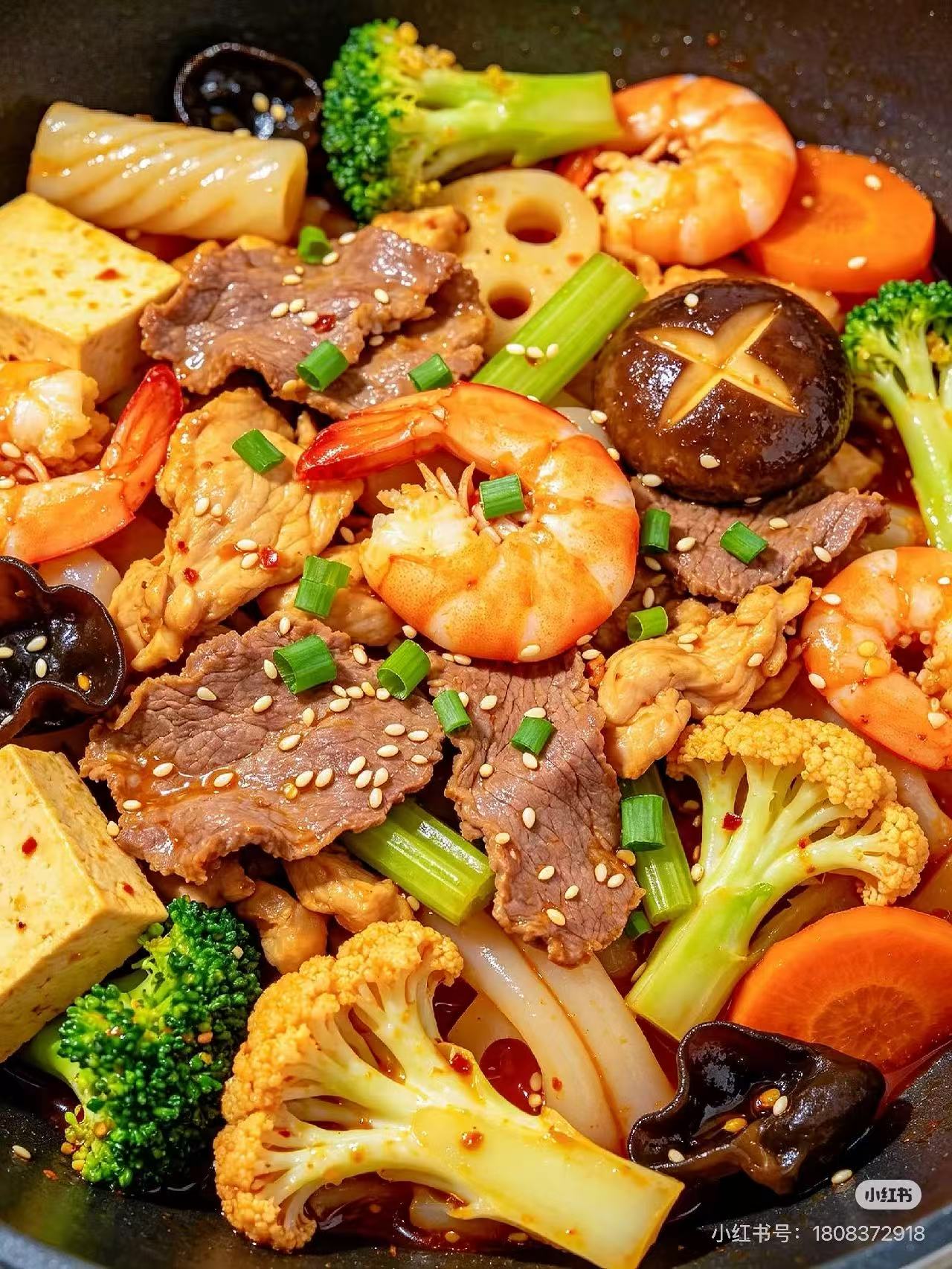
    Mala Dry Pot brings your choice of vegetables, mushrooms, tofu, and optional meat or seafood together in a fragrant, spicy stir-fry. Tossed with dried chilies, Sichuan peppercorns, and savory seasonings, the ingredients are coated in flavor without a soup broth.

    At Amy’s Private Kitchen, this dish can be customized when planning your menu. Choose a colorful plant-based combination or add meat and seafood for a hearty centerpiece to share.

    Bold Flavor with Plenty of Texture

    Sichuan peppercorns provide the distinctive tingling sensation known as “ma,” while chilies bring the heat, or “la.” Garlic, ginger, and aromatic seasonings round out the flavor.

    The appeal of dry pot also comes from its variety of textures. Lotus root adds crunch, mushrooms bring a tender bite, and tofu absorbs the seasoning. Each ingredient contributes something different, making every serving a little varied.

    The finished dish is fragrant and savory, with seasoning clinging to the ingredients rather than pooling in a broth.

    Choose Your Ingredients

    Selections can be discussed in advance and are subject to availability. A balanced combination of a few favorites gives each ingredient room to shine.

    Vegetables & Mushrooms

    • Lotus Root: Crisp slices that hold their texture well.
    • Potato: A satisfying addition with a tender center.
    • Cauliflower or Broccoli: Florets that catch the aromatic seasoning.
    • Cabbage: Adds natural sweetness and a softer texture.
    • Bell Peppers & Onions: Bring color, sweetness, and crunch.
    • King Oyster or Shiitake Mushrooms: Add savory depth and a pleasantly firm bite.
    • Wood Ear Mushrooms: Offer a crisp contrast to tender vegetables.

    Tofu & Plant-Based Options

    • Firm Tofu: Lightly seared for a golden surface and tender center.
    • Tofu Skin: Folded strips that hold the flavorful sauce.
    • Pressed Tofu: A firmer, chewy option that works well in a stir-fry.
    • Tofu Puffs: Soft pieces that absorb the seasoning.

    Optional Meat & Seafood

    • Beef: Thinly sliced for a savory, hearty addition.
    • Chicken: Bite-sized pieces that pair well with the aromatic spices.
    • Pork Belly: A richer option with a tender bite.
    • Shrimp: A seafood choice that complements the chili and garlic.

    Optional Extras

    • Rice Cakes: Add a soft, chewy texture.
    • Sweet Potato Noodles: Bring a springy bite and absorb the sauce.

    Prepared for Each Ingredient

    Different ingredients need different cooking times. Firmer vegetables are cooked until just tender, while ingredients such as mushrooms and tofu can be seared to develop flavor before the final toss.

    The aromatics and spices are briefly cooked to release their fragrance, then combined with the prepared ingredients. Everything is tossed together so the seasoning is evenly distributed while the vegetables retain their individual textures.

    The result is a generously flavored dish with a balance of crisp, tender, and chewy bites.

    Plant-Based or with Meat

    A vegan dry pot can be prepared with vegetables, mushrooms, tofu, and entirely plant-based seasonings. The seasoning base matters as much as the main ingredients: some prepared mala bases contain beef fat or other animal ingredients.

    For a meat or seafood version, combine your preferred protein with a selection of vegetables. Please specify vegan requirements when planning the menu so a suitable base and separate preparation can be arranged.

    Suggested Combinations

    Vegetable & Tofu Dry Pot
    Lotus root, cauliflower, king oyster mushrooms, tofu skin, and bell peppers.

    Beef & Mushroom Dry Pot
    Sliced beef, king oyster mushrooms, potato, onions, and cabbage.

    Shrimp & Vegetable Dry Pot
    Shrimp, lotus root, broccoli, bell peppers, and rice cakes.

    Ingredient choices can be adjusted to suit your group.

    Serving & Spice Preferences

    Mala Dry Pot is especially enjoyable with steamed rice, which balances its concentrated flavor. For a shared dinner, pair it with a refreshing cucumber salad or a simply cooked green vegetable.

    Both chili heat and Sichuan peppercorn intensity can be adjusted. Request a lighter touch for a gentler version or a bolder seasoning for guests who enjoy a spicy, numbing finish.

    Dietary Information

    Vegan options are available with plant-based ingredients and seasonings. Depending on the selected base, sauces, and additions, the dish may contain soy, wheat, sesame, peanuts, fish, or shellfish.

    Please share any allergies or dietary restrictions when booking so the ingredients and preparation can be reviewed.

    Plan Your Custom Dry Pot

    With colorful ingredients, fragrant spices, and plenty of texture, Mala Dry Pot makes a flavorful centerpiece for a shared meal.

    Contact Amy’s Private Kitchen to discuss your preferred ingredients and spice level for your next private dinner or family-style gathering.

  • Malatang — Customizable Chinese Spicy Soup

    Malatang — Customizable Chinese Spicy Soup

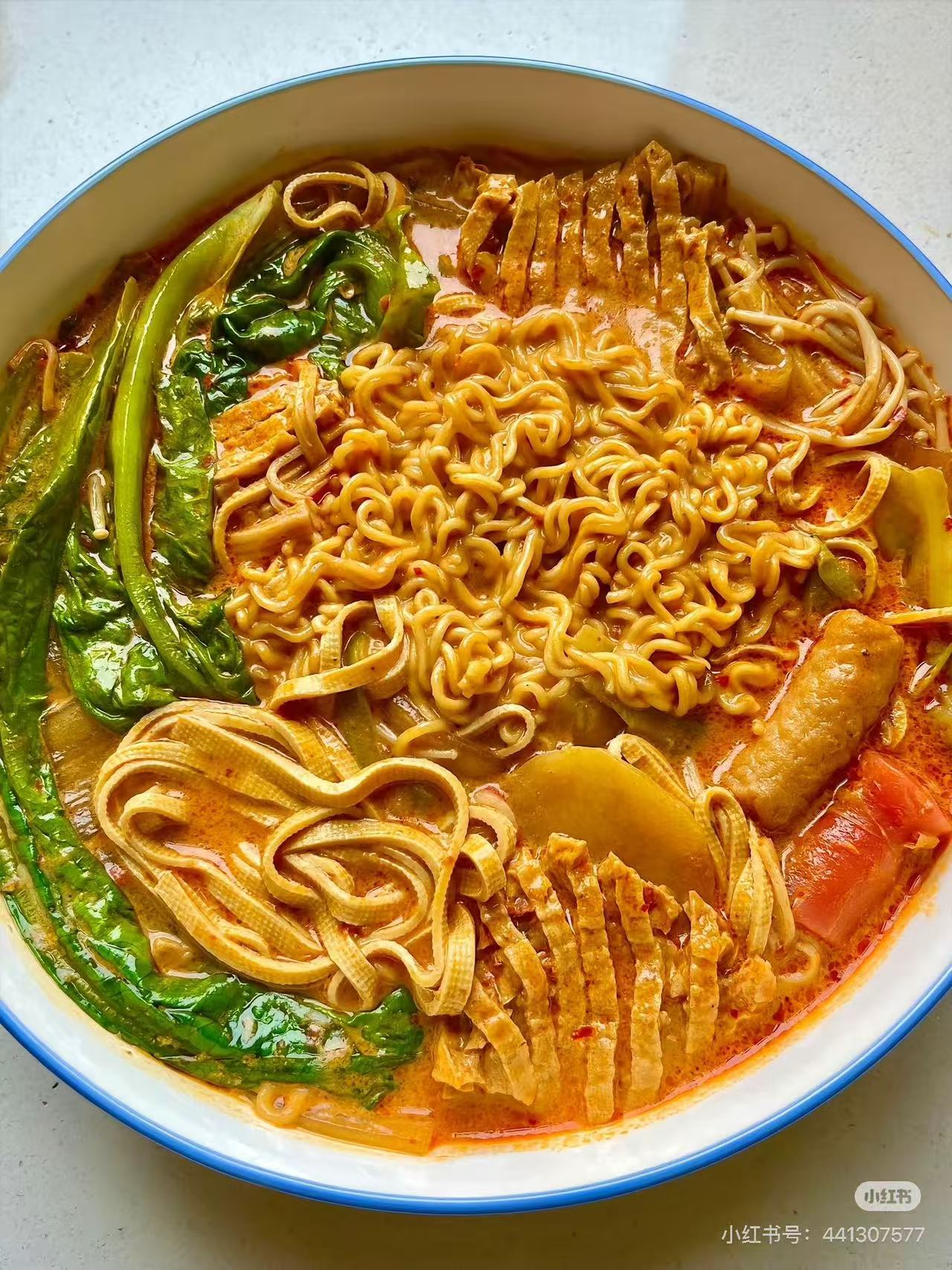
    Build your bowl with the ingredients you love. Malatang brings vegetables, tofu, noodles, and optional meat or seafood together in a warming Chinese broth. From a mushroom-and-tofu combination to a hearty bowl with thinly sliced beef, each selection offers its own mix of flavors and textures.

    At Amy’s Private Kitchen, Malatang can be tailored to your preferences when planning your menu. Choose a plant-based combination or include meat and seafood, then select a spice level that suits your taste.

    Aromatic Broth with Adjustable Heat

    The name “mala” describes the combination of the tingling sensation from Sichuan peppercorns and the heat of chilies. Together, they give the broth its distinctive character.

    The broth carries these aromatic flavors through the ingredients as they cook. Mushrooms contribute savory depth, tofu absorbs the seasoning, and leafy vegetables bring a fresh contrast to the richer elements.

    Prefer a gentler bowl? Request less chili and a lighter touch of Sichuan peppercorn. For guests who enjoy bolder flavors, the broth can be made hotter and more noticeably numbing.

    Choose Your Ingredients

    Ingredient selections can be discussed in advance and are subject to availability.

    Vegetables & Mushrooms

    • Napa Cabbage: Tender leaves that absorb the flavorful broth.
    • Bok Choy or Spinach: Leafy greens that add freshness.
    • Broccoli: A gently firm texture that holds up well in the soup.
    • Potato or Lotus Root: Thin slices that add substance and variety.
    • Winter Melon or Daikon: Mild vegetables that become tender as they simmer.
    • Shiitake, Enoki, or King Oyster Mushrooms: Savory options with different textures.
    • Wood Ear Mushrooms: A pleasantly crisp contrast to softer ingredients.

    Tofu & Plant-Based Options

    • Firm Tofu: Tender, mild, and satisfying.
    • Frozen Tofu: A porous texture that soaks up the broth.
    • Tofu Puffs: Soft pockets that hold plenty of flavor.
    • Tofu Skin: Delicate folds with a pleasantly chewy bite.

    Optional Meat & Seafood

    • Thinly Sliced Beef or Lamb: A savory addition that cooks quickly.
    • Sliced Chicken: A milder meat option.
    • Shrimp or Fish: Seafood choices that complement the aromatic broth.

    Noodles & Other

  • Garlic Broccoli

    Garlic Broccoli

    Fresh broccoli and fragrant minced garlic come together in a simple Chinese-style vegetable dish. The florets are cooked until tender with a gentle bite, then tossed with garlic and light seasoning for a savory finish.

    At Amy’s Private Kitchen, Garlic Broccoli is a versatile addition to a family-style dinner. Its mild flavor pairs easily with a wide range of main dishes, making it a welcome vegetable option for a shared table.

    Fresh Broccoli, Fragrant Garlic

    The appeal of this dish lies in the balance between the broccoli’s natural sweetness and the aroma of cooked garlic. The small buds of each floret catch the minced garlic and seasoning, while the stems provide a satisfying bite.

    The garlic is gently cooked until fragrant, bringing out its flavor without letting it burn or become bitter. Light seasoning complements the vegetables, keeping the finished dish fresh-tasting and savory.

    Main Ingredients

    • Broccoli: Fresh florets and tender sections of stem provide color, texture, and a gently sweet flavor.
    • Minced Garlic: Adds a warm, savory aroma that complements the broccoli.
    • Cooking Oil: Helps release the garlic’s fragrance and distribute it throughout the dish.
    • Simple Seasonings: Enhance the ingredients without covering up their natural flavors.

    Cooked Until Just Tender

    The broccoli is cut into evenly sized pieces to help it cook consistently. Careful timing keeps the florets tender while preserving a little firmness in the stems.

    Minced garlic is briefly sautéed before the broccoli is tossed through it, distributing the aroma and seasoning evenly. The finished dish is lightly coated, allowing the texture of the broccoli to remain the focus.

    For guests who prefer softer vegetables, the broccoli can be cooked a little longer to suit their preference.

    Easy to Pair with Your Favorite Dishes

    Garlic Broccoli works beautifully alongside steamed rice, fried rice, or noodles. Its mild, savory flavor balances richer dishes such as curry chicken, braised beef, and saucy tofu.

    For a plant-based dinner, pair it with mushroom dishes, vegetable dumplings, or a comforting tofu stew. It also adds a fresh vegetable element to larger menus featuring chicken, beef, or seafood.

    Whether served at a small dinner or a family celebration, this familiar combination fits comfortably into a varied menu.

    Dietary Preferences

    The standard garlic preparation is non-spicy. This dish can be made vegan using entirely plant-based seasonings.

    Please share any food allergies or dietary requirements when arranging your menu, as allergen information depends on the specific sauces and seasonings used.

    A Simple Favorite for Your Next Dinner

    Tender broccoli and aromatic garlic make a flavorful pairing that needs little embellishment. Garlic Broccoli brings a fresh, satisfying vegetable dish to your shared meal.

    Contact Amy’s Private Kitchen to include Garlic Broccoli in your private dinner or family-style gathering.

  • Stir-Fried Purple Cabbage

    Stir-Fried Purple Cabbage

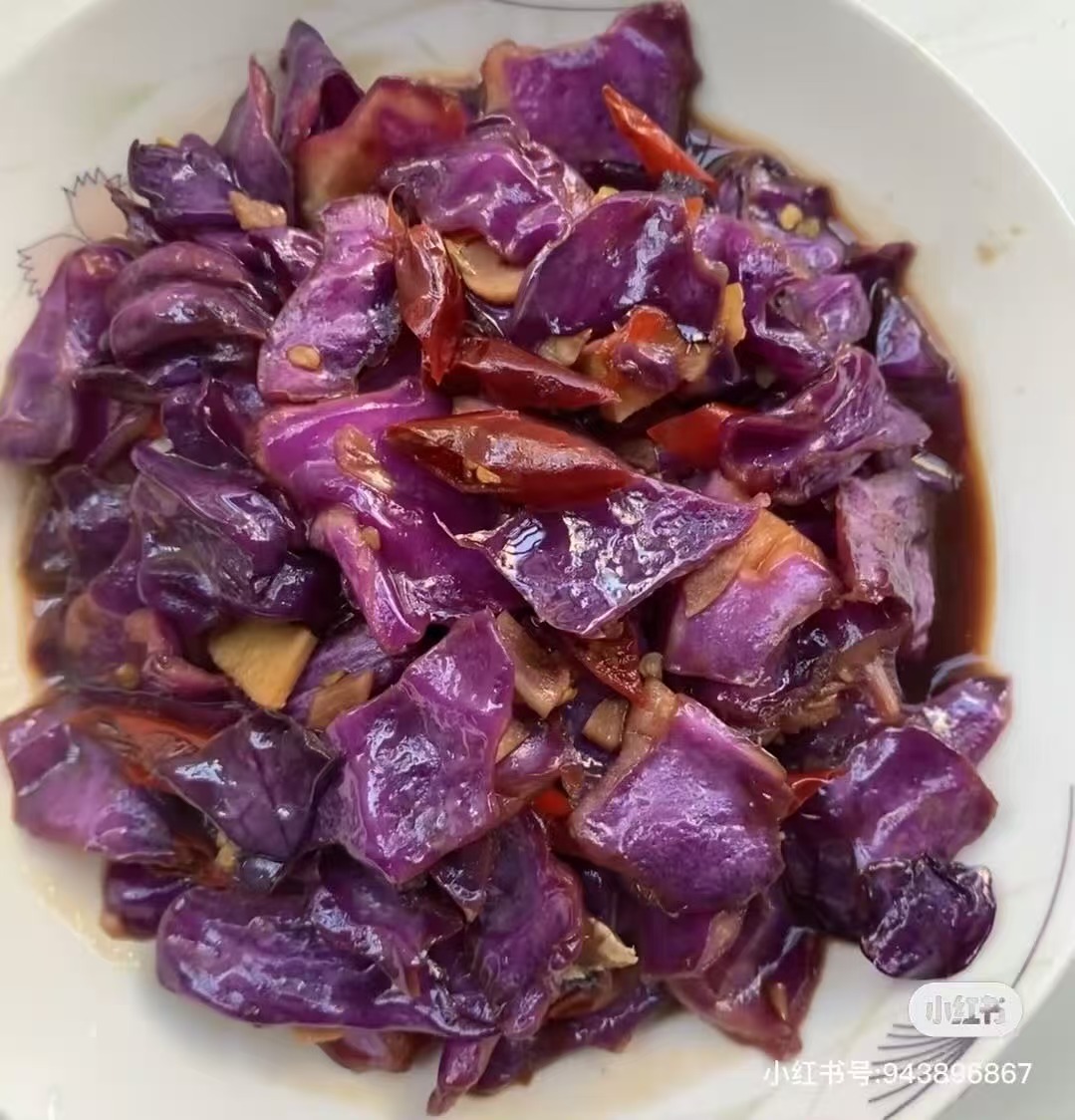
    Vibrant purple cabbage brings color, natural sweetness, and a satisfying crunch to this simple Chinese-style stir-fry. Quickly cooked until just tender, the leaves soften while the thicker pieces retain a pleasant bite. Light seasoning lets the cabbage’s own flavor shine.

    At Amy’s Private Kitchen, Stir-Fried Purple Cabbage offers a colorful vegetable accompaniment for family-style dinners. Its fresh texture pairs beautifully with rice, tofu, mushrooms, and richer main dishes.

    Naturally Sweet with a Gentle Crunch

    Purple cabbage has a firm texture that makes it especially enjoyable in a stir-fry. Cooking mellows its raw, slightly peppery flavor and brings out its sweetness without losing all of its crunch.

    Thinly sliced leaves catch the seasoning, giving each bite a balance of tender and crisp textures. The finished dish is lightly coated rather than covered in a heavy sauce, keeping the focus on the vegetable itself.

    Main Ingredients

    • Purple Cabbage: The main ingredient, bringing deep color, natural sweetness, and a firm, crunchy texture.
    • Cooking Oil: Helps distribute heat and lightly coats the cabbage during stir-frying.
    • Simple Seasonings: Enhance the cabbage’s flavor without overwhelming it.

    Quickly Cooked for the Right Texture

    The cabbage is thinly and evenly sliced so it cooks consistently. It is then tossed in a hot pan, allowing the leaves to soften while preserving a little bite.

    Cooking in manageable batches helps moisture escape and prevents the cabbage from becoming overly soft. Timing matters: a brief stir-fry gives the dish a fresher texture, while longer cooking creates a softer result.

    Served freshly cooked, the cabbage offers a simple combination of sweetness, savory seasoning, and crunch.

    A Colorful Addition to Your Menu

    Stir-Fried Purple Cabbage adds variety to a table of shared dishes, both in appearance and texture. It makes a lovely accompaniment to soft tofu, tender dumplings, or warming stews.

    For a vegetable-focused meal, pair it with Shiitake

  • Stir-Fried Cabbage with Dried Chilies

    Stir-Fried Cabbage with Dried Chilies

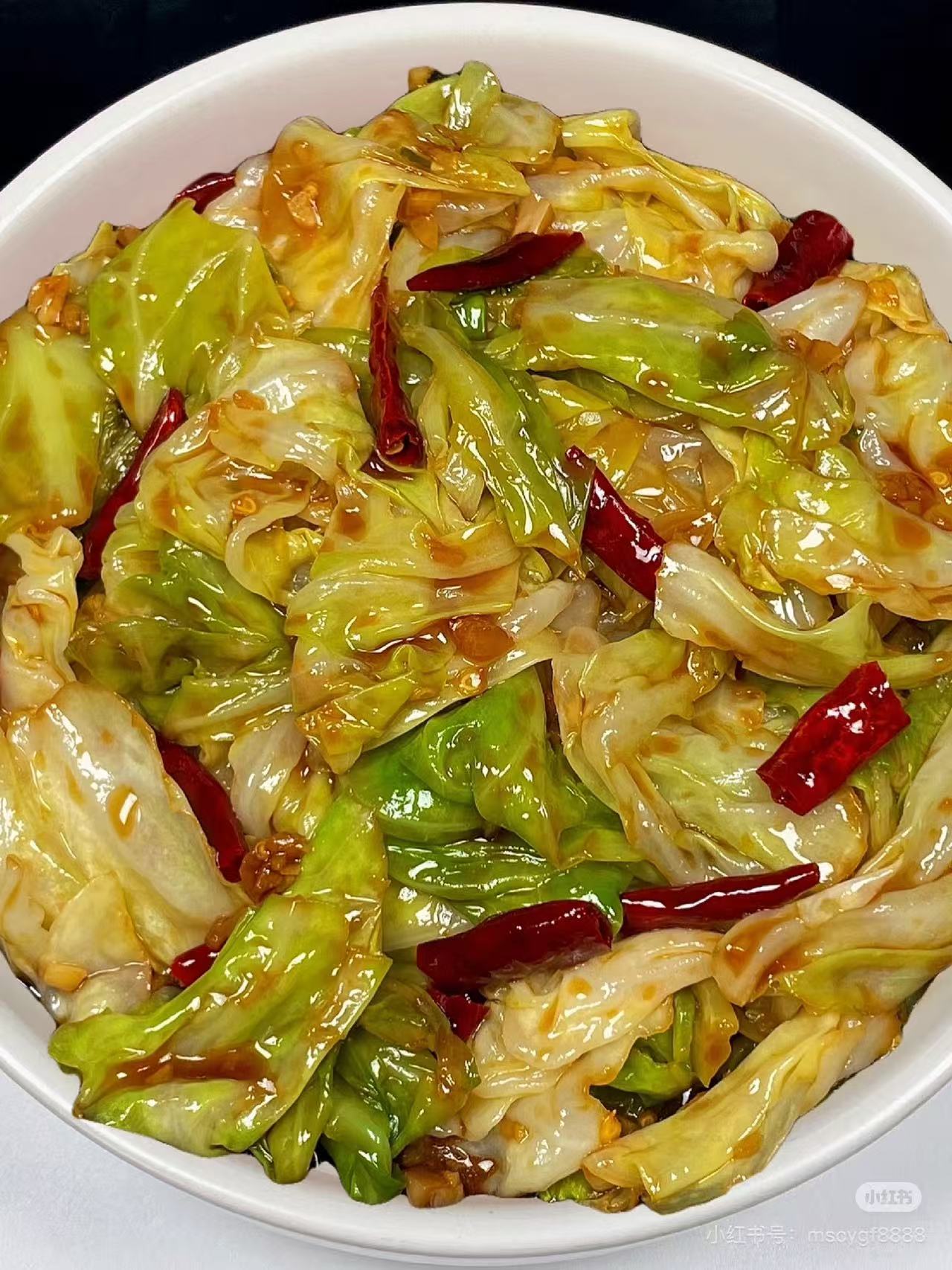
    Naturally sweet cabbage and aromatic dried chilies come together in a simple, flavorful Chinese stir-fry. Quickly cooked in a hot wok, the cabbage becomes tender around the edges while keeping a satisfying crunch. Dried chilies add warmth and a toasted chili aroma that complements the fresh flavor of the vegetables.

    Made without meat, this dish brings a lighter vegetable option to the table. It’s a delicious accompaniment to rice, noodles, tofu, and a variety of shared main dishes.

    Simple Ingredients, Full of Flavor

    Cabbage is the star of this dish. Cooking it quickly brings out its natural sweetness while preserving its texture. The thinner leaves soften and catch the seasoning, while the thicker sections retain a pleasant bite.

    Dried chilies briefly sizzle in the cooking oil, releasing their aroma before the cabbage is added. This distributes the chili flavor throughout the dish, creating a balance of sweet cabbage, savory seasoning, and gentle heat.

    Main Ingredients

    • Cabbage: Fresh cabbage provides natural sweetness and a crisp, juicy texture.
    • Dried Chilies: Add a warm chili aroma and a touch of heat.
    • Plant-Based Cooking Oil: Carries the chili flavor and helps the cabbage cook evenly.
    • Seasonings: Light seasoning enhances the cabbage without overpowering its natural flavor.

    Quickly Stir-Fried for a Fresh Bite

    The dried chilies are briefly heated in oil until fragrant, taking care to avoid burning them. The cabbage is then added and tossed over high heat.

    Cooking in manageable batches helps excess moisture evaporate, allowing the cabbage to stir-fry rather than steam. The goal is tender leaves, slightly crisp stems, and just enough seasoning to bring everything together.

    This dish is best enjoyed freshly cooked, when the cabbage still has its lively crunch and the dried chilies are at their most aromatic.

    A Versatile Side for Family-Style Dining

    Stir-Fried Cabbage with Dried Chilies fits easily into a Chinese family-style menu. Its fresh texture provides a lovely contrast to soft tofu, rich braised dishes, and saucy main courses.

    For a plant-based meal, pair it with mushroom and tofu dishes, vegetable dumplings, and steamed rice. It also works well alongside beef, chicken, or fish when planning a mixed menu for guests with different preferences.

    Dietary Preferences & Spice Level

    This is a meat-free vegetable dish. It can be prepared as a vegan option using entirely plant-based seasonings.

    The heat can be adjusted by changing the quantity and preparation of the dried chilies. Please request a lighter chili touch if you prefer less spice, or a more generous amount for a hotter version.

    Allergens depend on the seasonings used. Please share any allergies or dietary restrictions when arranging your menu.

    Add It to Your Next Dinner

    Fresh, savory, and fragrant with dried chilies, this cabbage stir-fry shows how a few simple ingredients can create a satisfying vegetable dish.

    Contact Amy’s Private Kitchen to include Stir-Fried Cabbage with Dried Chilies in your private dinner or family-style gathering.

  • Stir-Fried Cabbage & Glass Noodles with Ground Beef

    Stir-Fried Cabbage & Glass Noodles with Ground Beef

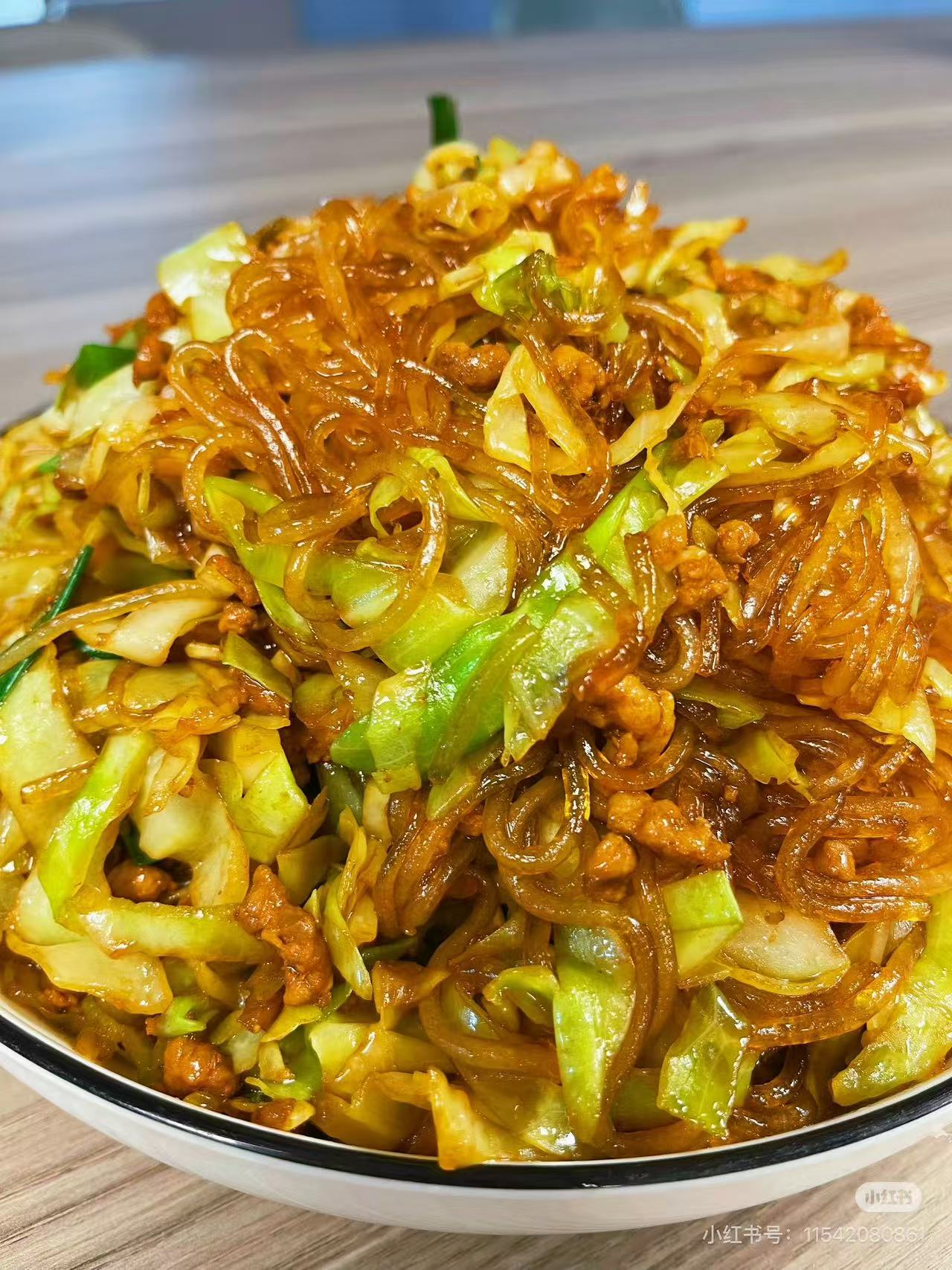
    Tender glass noodles, crisp cabbage, and savory ground beef come together in a comforting Chinese stir-fry. The noodles soak up the flavorful sauce, while the cabbage adds natural sweetness and a gentle crunch. Small pieces of beef are mixed throughout, bringing a rich, savory bite to the dish.

    At Amy’s Private Kitchen, this homestyle favorite makes a satisfying addition to a shared dinner. It combines vegetables, noodles, and beef in one dish that pairs easily with a variety of Chinese family-style meals.

    A Balance of Flavor and Texture

    The appeal of this dish lies in the contrast between its ingredients. Cabbage becomes sweeter as it cooks while retaining a little bite. Glass noodles turn tender and pleasantly springy, absorbing the seasoning and the savory juices from the beef.

    The ground beef blends into the noodles rather than sitting in large pieces on top. Each forkful brings together a little meat, sweet cabbage, and flavorful noodles for a balanced, comforting bite.

    Main Ingredients

    • Cabbage: Adds natural sweetness, freshness, and a lightly crisp texture.
    • Glass Noodles: Delicate noodles that absorb the sauce and bring a tender, springy bite.
    • Ground Beef: Provides savory depth and small
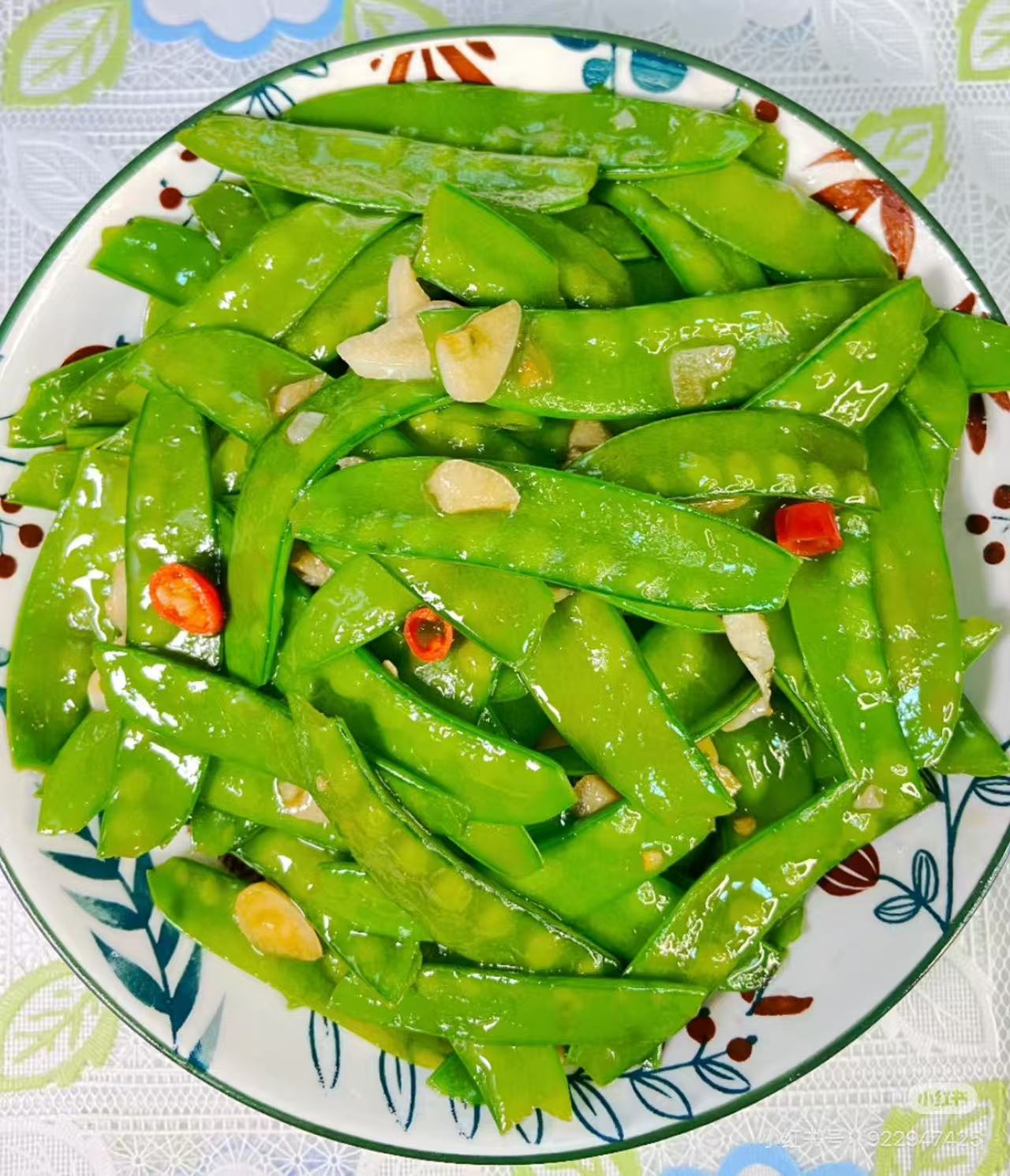
  • Stir-Fried Snow Peas

    Stir-Fried Snow Peas

    Fresh snow peas bring natural sweetness and a delicate crunch to this light Chinese-style stir-fry. Cooked briefly with simple seasoning, the tender pods retain their fresh flavor and pleasantly crisp texture.

    At Amy’s Private Kitchen, Stir-Fried Snow Peas offer a refreshing vegetable accompaniment to a shared meal. Their mild flavor pairs beautifully with rice, tofu, mushrooms, and a variety of meat and seafood dishes.

    Naturally Sweet and Delicately Crisp

    Snow peas are enjoyed whole, including their thin, tender pods and small peas inside. Their subtle sweetness comes through best with a light touch of seasoning and a short cooking time.

    Unlike richer, sauce-heavy dishes, this simple stir-fry highlights the vegetable itself. Each bite offers a gentle crunch, making it a lovely contrast to soft tofu, tender braised meats, or warming stews.

    Main Ingredients

    • Snow Peas: Fresh, tender pods provide natural sweetness and a crisp bite.
    • Cooking Oil: Lightly coats the snow peas and helps them cook evenly.
    • Simple Seasonings: Enhance their flavor while keeping the dish light and balanced.

    Quickly Stir-Fried for Fresh Texture

    The snow peas are trimmed, with any tough strings removed, before cooking. They are then tossed in a hot pan until just tender, preserving their texture without

    Golden-edged king oyster mushrooms and colorful bell peppers come together in a savory stir-fry with plenty of texture. The mushrooms have a tender, satisfying bite, while the peppers bring natural sweetness and a gentle crunch.

    At Amy’s Private Kitchen, this dish adds color and variety to a shared dinner table. It pairs beautifully with steamed rice and works equally well in a fully plant-based menu or alongside a selection of meat, tofu, and vegetable dishes.

    Savory Mushrooms, Naturally Sweet Peppers

    King oyster mushrooms are the heart of this dish. Their thick stems hold their shape during cooking, developing golden edges while remaining tender inside. Lightly browning them before adding the other ingredients brings out their savory flavor.

    Bell peppers offer a fresh contrast to the mushrooms. Cooked just until crisp-tender, they retain their color and a little bite. A light garlic and soy-based seasoning ties everything together without covering up the flavor of the vegetables.

    Main Ingredients

    • King Oyster Mushrooms: Thick, tender mushrooms with a pleasantly firm bite and mild, savory flavor.
    • Bell Peppers: A colorful mix that adds sweetness, freshness, and crunch.
    • Garlic: Briefly sautéed to create an aromatic base.
    • Soy Sauce: Adds savory depth and seasons the mushrooms.
    • Plant-Based Cooking Oil: Helps the mushrooms brown and carries the garlic aroma.

    Cooked for Flavor and Texture

    The mushrooms are sliced and cooked in a hot pan with enough space for moisture to evaporate. This helps them brown instead of simply steaming, creating a more flavorful surface and a satisfying texture.

    The bell peppers are added later so they stay bright and gently crisp. Garlic and seasoning finish the dish, coating the vegetables lightly rather than leaving them in a heavy sauce.

    Served freshly cooked, each bite offers a balance of tender mushroom, sweet pepper, and savory garlic.

    A Colorful Addition to a Shared Menu

    This stir-fry is especially enjoyable with steamed jasmine rice, which complements its savory seasoning. For a plant-based dinner, pair it with a tofu main dish, handmade vegan dumplings, or a warming vegetable stew.

    Its lighter sauce also makes it a good companion to richer dishes such as coconut vegetable curry or braised eggplant. The peppers bring color to the table, while the mushrooms add a different texture from leafy greens and softer vegetables.

    Dietary Information

    Prepared with plant-based seasonings, this dish is vegan, with no meat, eggs, or dairy.

    It contains soy, and regular soy sauce typically contains wheat. A gluten-free version can be discussed when planning your menu, using suitable seasonings.

    The standard preparation is mild—the bell peppers add sweetness rather than chili heat. A spicy version can be requested. Please mention any allergies or dietary restrictions when booking.

    Enjoy It at Your Next Gathering

    Stir-Fried King Oyster Mushrooms with Bell Peppers is a flavorful option for guests who enjoy mushrooms, colorful vegetables, and simple garlic-seasoned dishes.

    Contact Amy’s Private Kitchen to include this dish in your private dinner or family-style gathering.

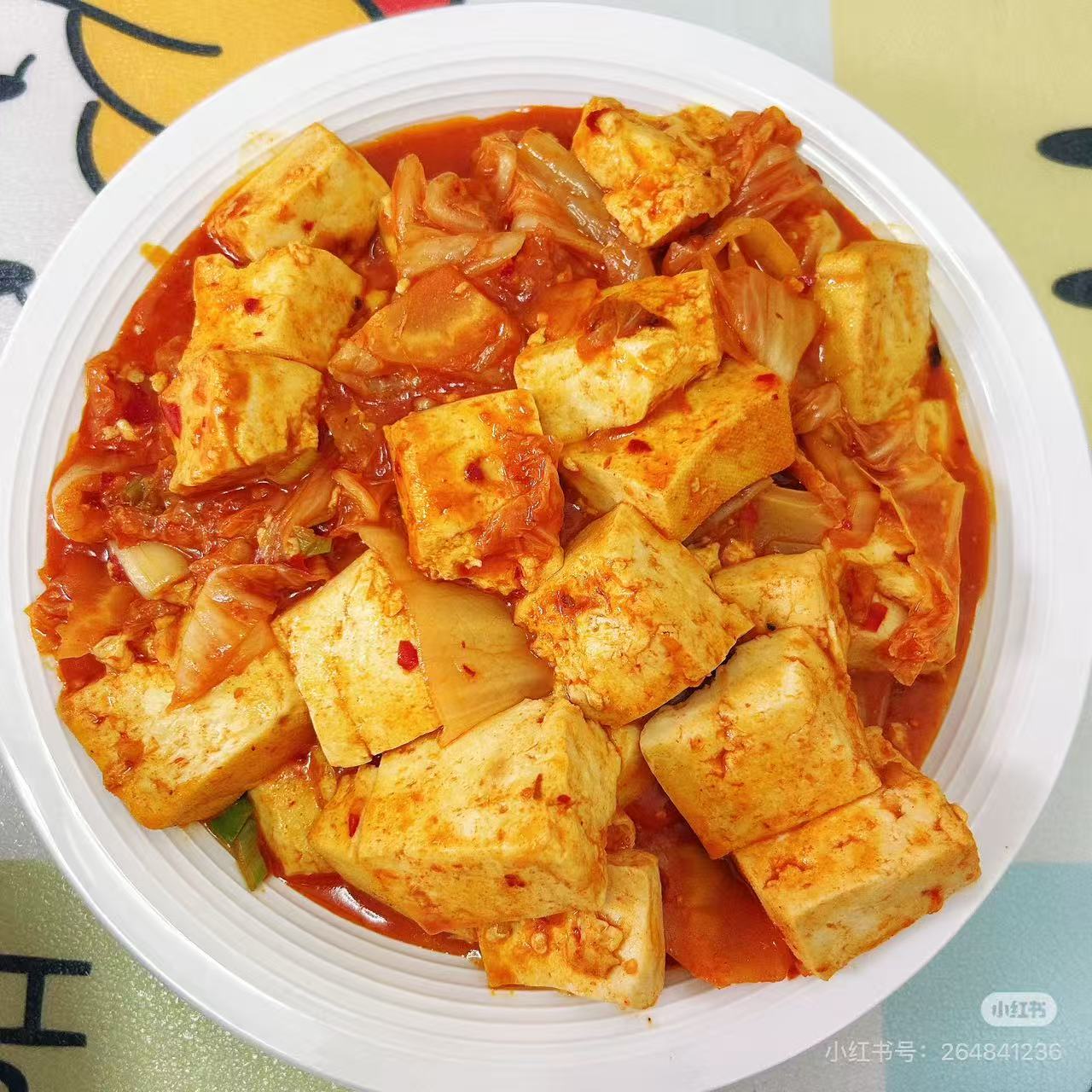
  • Kimchi Tofu Stew

    Kimchi Tofu Stew

    Warm, tangy, and full of savory flavor, Kimchi Tofu Stew brings together tender tofu and fermented napa cabbage in a comforting broth. The kimchi adds a lively balance of sourness and heat, while the mild tofu absorbs the broth and softens its intensity. Served with steamed rice, it’s a satisfying addition to a plant-based meal or a shared family-style dinner.

    At Amy’s Private Kitchen, this Korean-inspired dish offers a flavorful option for guests who enjoy tofu, fermented vegetables, and a little spice.

    A Comforting Balance of Flavor and Texture

    The appeal of this stew comes from the contrast between its two main ingredients. Kimchi brings tanginess, chili warmth, and a tender bite, while tofu adds a delicate texture and mellow flavor. As they simmer together, the broth becomes rich with the flavor of the fermented cabbage.

    Garlic and scallions add aroma without overwhelming the dish. Each spoonful combines soft tofu, flavorful cabbage, and warming broth—especially enjoyable alongside a bite of freshly steamed rice.

    Main Ingredients

    • Kimchi: Fermented napa cabbage gives the stew its signature tangy, spicy character. This vegan version uses kimchi made without fish sauce or shrimp paste.
    • Tofu: Tender tofu absorbs the flavors of the broth and makes the dish more substantial.
    • Vegetable Broth: A savory plant-based base brings the ingredients together.
    • Garlic: Adds depth and a warm, aromatic flavor.
    • Scallions: Provide a fresh finishing touch.

    Slowly Simmered for Flavor

    The kimchi is gently cooked to bring out its aroma before the broth is added. The tofu then simmers in the flavorful liquid, allowing it to absorb the seasoning while keeping its tender texture.

    The finished dish has enough broth to spoon over rice, with generous pieces of tofu and cabbage in every serving. It works beautifully as a shared dish at the center of the table.

    Serving Suggestions

    Kimchi Tofu Stew pairs particularly well with steamed jasmine rice, which balances the tangy broth and chili heat. For a complete family-style meal, serve it alongside garlicky greens, stir-fried asparagus and mushrooms, or a refreshing cucumber salad.

    It can be enjoyed as the main dish in a simple plant-based dinner or as one of several dishes on a larger shared menu. Its bold flavor adds variety when paired with milder vegetables and rice dishes.

    Dietary Preferences & Spice Level

    This dish is vegan when prepared with vegan kimchi and vegetable broth. It contains soy from the tofu; additional allergens depend on the kimchi and seasonings used.

    The amount of added chili can be adjusted to your preference. However, because kimchi is already seasoned, the stew naturally retains some heat and is best suited to guests who enjoy a little spice.

    Please share any dietary restrictions or allergies when planning your menu so the ingredients can be reviewed.

    Enjoy It at Your Next Dinner

    Looking for a warming, flavorful tofu dish for your gathering? Kimchi Tofu Stew brings a comforting combination of tender tofu, tangy cabbage, and savory broth to the table.

    Contact Amy’s Private Kitchen to include this dish in your private dining or family-style dinner menu.

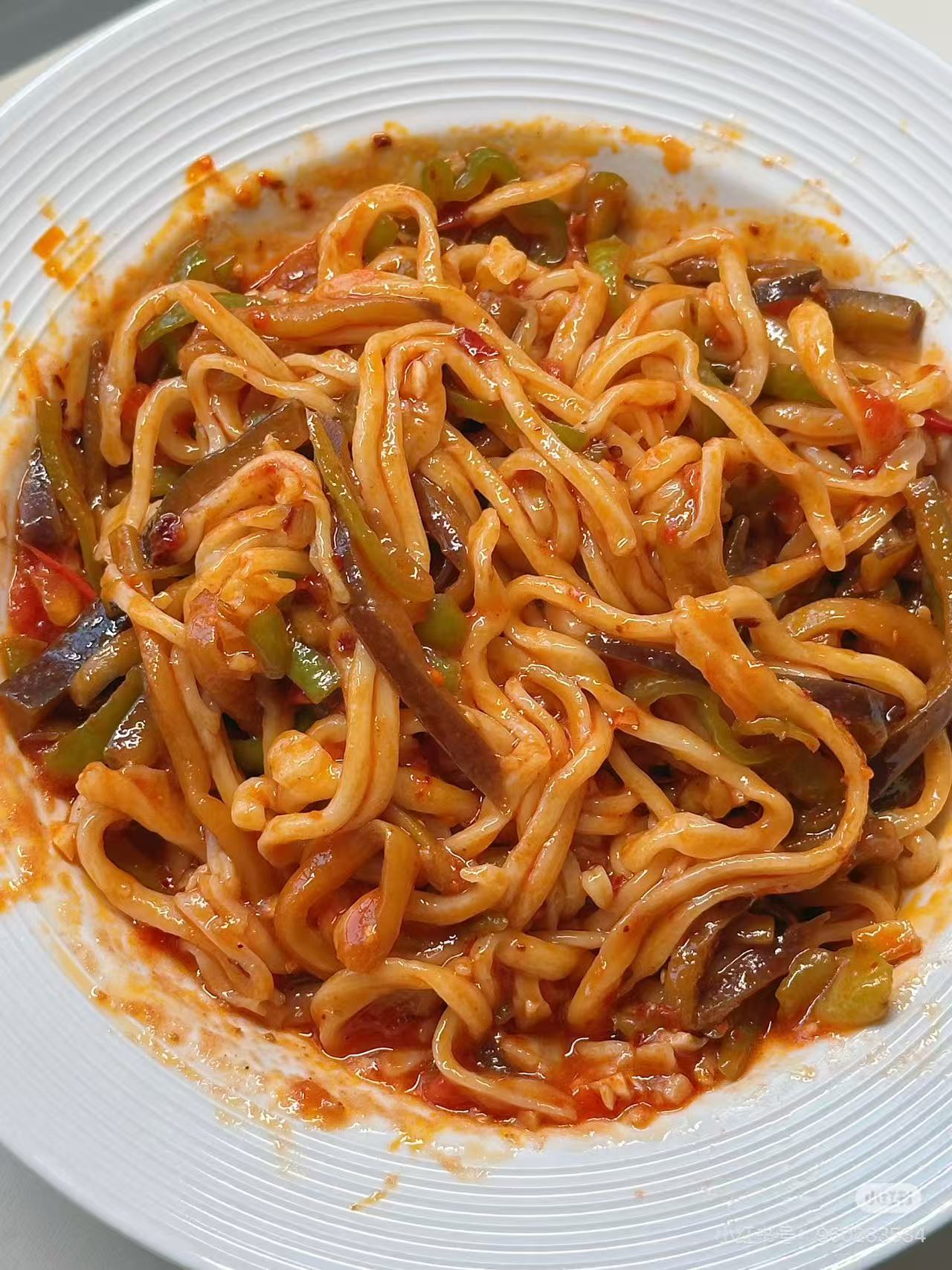
  • Noodles with Eggplant, Peppers & Tomatoes

    Noodles with Eggplant, Peppers & Tomatoes

    A Comforting Noodle Dish with a Savory Vegetable Sauce

    Noodles with Eggplant, Peppers & Tomatoes, known as Qie La Xi Ban Mian (茄辣西拌面), combines tender eggplant, fresh green peppers, and juicy tomatoes in a flavorful topping tossed with noodles.

    The eggplant absorbs the savory sauce, tomatoes add brightness and natural sweetness, and green peppers bring a fresh aroma with optional heat. Together, they create a satisfying combination that coats the noodles beautifully.

    This meat-free dish makes a comforting meal on its own or a generous noodle course for a shared family-style dinner.

    Ingredients

    • Wheat Noodles
    • Eggplant
    • Green Peppers, mild or spicy
    • Tomatoes
    • Fresh Garlic
    • Light Soy Sauce
    • Cooking Oil
    • Salt, as needed
    • Water, as needed

    What Makes This Dish Special

    Three Vegetables, One Flavorful Sauce

    Eggplant, peppers, and tomatoes each bring something different: silky texture, fresh pepper flavor, and juicy tanginess. Together, they create a balanced and satisfying noodle topping.

    Naturally Saucy Tomatoes

    The tomatoes soften during cooking and release their juices, forming the base of a sauce that brings the vegetables and noodles together.

    Tender Eggplant and Fresh Peppers

    Soft eggplant gives the dish a rich texture, while green peppers add contrast. Mild peppers keep the dish gentle, and hotter varieties give it an extra kick.

    A Satisfying Meat-Free Meal

    The combination of vegetables and noodles makes a hearty dish without meat. It is simple, comforting, and full of homestyle flavor.

    Cooking Notes

    The eggplant and peppers are cut into bite-sized pieces, and the tomatoes are roughly chopped.

    The eggplant is cooked until tender. Garlic and tomatoes are then cooked until fragrant and juicy, with a small splash of water added if needed. The peppers are added with enough time to soften while keeping some texture.

    The vegetables are gently simmered together with light soy sauce and salt as needed, creating a topping with enough sauce to coat the noodles.

    The noodles are cooked separately until just tender, drained

  • Eggplant with Garlic Sauce (Yu Xiang Eggplant)

    Eggplant with Garlic Sauce (Yu Xiang Eggplant)

    Tender Eggplant in a Savory, Tangy, and Gently Spicy Sauce

    Eggplant with Garlic Sauce, known as Yu Xiang Qie Zi (鱼香茄子), is a Chinese dish featuring tender eggplant coated in a fragrant sauce made with garlic, ginger, chili bean paste, and vinegar.

    “Yu xiang” translates to “fish fragrance,” but the name refers to a traditional seasoning style rather than the presence of fish. The sauce combines savory, sweet, tangy, and spicy flavors that complement the mild eggplant.

    This meat-free version is full of flavor and especially enjoyable with steamed rice.

    Ingredients

    • Eggplant
    • Fresh Garlic
    • Ginger
    • Green Onion
    • Chili Bean Paste (Doubanjiang)
    • Light Soy Sauce
    • Chinese Black Vinegar or Rice Vinegar
    • Sugar
    • Cooking Oil
    • Water or Vegetable Broth
    • Cornstarch, as needed

    What Makes This Dish Special

    A Balanced Yu Xiang Sauce

    Garlic, ginger, chili bean paste, vinegar, and a little sugar create layers of flavor. The sauce is savory and fragrant, with a balance of tanginess, sweetness, and heat.

    Soft, Silky Eggplant

    Eggplant becomes beautifully tender as it cooks, absorbing the sauce while keeping its delicate texture.

    Bold Flavor Without Meat

    This version lets the eggplant take center stage. Aromatics and seasonings give the dish depth without adding minced pork.

    Perfect with Steamed Rice

    The flavorful sauce makes this dish a natural companion to plain rice and a satisfying centerpiece for a vegetable-focused meal.

    Cooking Notes

    The eggplant is cut into evenly sized strips or chunks and cooked until tender. It can be pan-cooked or steamed before being finished in the sauce.

    Garlic, ginger, and chili bean paste are briefly cooked in oil until fragrant. Soy sauce, vinegar, sugar, and a little water or vegetable broth are added to bring the sauce together.

    The tender eggplant is gently tossed in the sauce and briefly simmered to absorb the flavor. A small amount of cornstarch mixed with cold water can be added if needed to help the sauce coat the pieces.

    Green onion adds a fresh finishing touch.

    Serving Suggestions

    Eggplant with Garlic Sauce pairs especially well with:

    • Steamed Rice
    • Stir-Fried Asparagus with Button Mushrooms
    • Garlic Green Beans
    • Stir-Fried Zucchini with Egg
    • Garlic Fish Fillets
    • Cucumber Salad

    Its bold flavor works particularly well alongside lightly seasoned vegetables and refreshing cold dishes.

    Amy’s Kitchen Tip

    Taste the sauce before adding extra salt or soy sauce, as chili bean paste is already salty.

    The key is balancing the vinegar and sugar so the sauce tastes pleasantly tangy with gentle sweetness. Adjust the chili bean paste to suit your preferred spice level.

    Once the eggplant is tender, handle it gently so the pieces stay intact while becoming evenly coated in sauce.

    At Amy’s Private Kitchen, Eggplant with Garlic Sauce can be served as part of a customized family-style dinner, private dining menu, or special event menu in Los Angeles.